Company Liquidation Process: Guide for Founders to Avoid Mistakes
The Company Liquidation Process Guide by Starcycle helps founders dissolve LLCs without costly mistakes. Step-by-step instructions included.

Shutting down an LLC requires more than simply stopping operations and walking away. Business owners who fail to properly dissolve their company often face unexpected tax bills, ongoing penalties, and legal complications years later. The company liquidation process involves specific steps, including settling debts, distributing assets, notifying creditors, and filing official dissolution paperwork with the state.
Managing these requirements across different jurisdictions can feel overwhelming for business owners already dealing with the stress of closing their company. Professional services can handle the entire dissolution process, ensuring all legal obligations are met and preventing future complications related to the business closure.
Table of Contents
- Why Most Founders Delay Liquidation Longer Than They Should
- What the Company Liquidation Process Actually Involves
- The Most Common Liquidation Mistakes That Create Delays and Liability
- How to Prepare for Liquidation Before You Start the Process
- Why Founders Need a Structured Winddown Instead of DIY Closure
- How Starcycle Helps Founders Navigate the Company Liquidation Process
- Sign up to Make your Business Closure Process Easier
Summary
- Founders often delay liquidation not because they lack awareness, but because the emotional weight of admitting failure makes immediate action psychologically difficult. Research published by The Jerusalem Post found that 72% of founders said their mental health had been negatively affected by the entrepreneurial journey, with anxiety among the most commonly reported challenges. This mental strain makes liquidation feel easier to postpone than to confront directly, even as compliance obligations continue accumulating in the background.
- Inactive businesses create ongoing financial and administrative drag long after operations stop. Annual filing requirements, tax obligations, dormant payroll systems, and vendor contracts continue to generate liability exposure, regardless of whether the company generates revenue. What begins as a temporary delay slowly transforms into a more complex legal and administrative cleanup, often extending for years despite the company having no operations.
- The gap between when operations stop and when legal closure is completed creates the greatest exposure for founders. Tax filings, payroll reconciliations, and regulatory obligations continue to accumulate even after bank accounts are closed and employees disperse. According to Silicon Valley Bank's 2023 analysis of startup shutdowns, businesses must maintain banking access to handle final payroll and tax obligations, and unpaid payroll taxes can create personal liability exposure in certain jurisdictions.
- Unresolved contracts and lingering registrations create liabilities that persist long after founders have mentally moved on. Many vendor agreements, software subscriptions, and service contracts auto-renew or require formal termination notices. Dormant entities can accumulate franchise taxes, annual filing fees, and compliance penalties for years after operations cease if dissolution remains incomplete across all jurisdictions in which the business operated.
- The coordination burden is what breaks most DIY closures. Founders managing liquidation alone must simultaneously track legal filings, final payroll obligations, tax clearances, vendor terminations, employee documentation, shareholder approvals, banking access, accounting reconciliation, regulatory notifications, and records retention requirements. Each workflow depends on others completing correctly and in sequence, so a delayed task creates cascading problems across the entire closure timeline.
- Starcycle's business-closure service helps founders manage this coordination burden by centralizing contract tracking, key-date monitoring, and document organization into a single workflow, compressing what typically takes months of reactive problem-solving into weeks of structured execution.
Why Most Founders Delay Liquidation Longer Than They Should
Most founders delay closing a company because it feels like admitting defeat. The business represents years of identity, sacrifice, and personal risk, carrying emotional weight that starting it never did.

⚠️ Warning: Emotional attachment to your business can cloud critical decision-making about when to liquidate.
"Founders convince themselves they'll 'deal with it later,' especially when exhausted from stabilizing the business. But things rarely calm down on their own."
This emotional resistance creates operational delays. Founders convince themselves they'll "deal with it later," especially when exhausted from stabilizing the business. But conditions rarely improve without intervention.
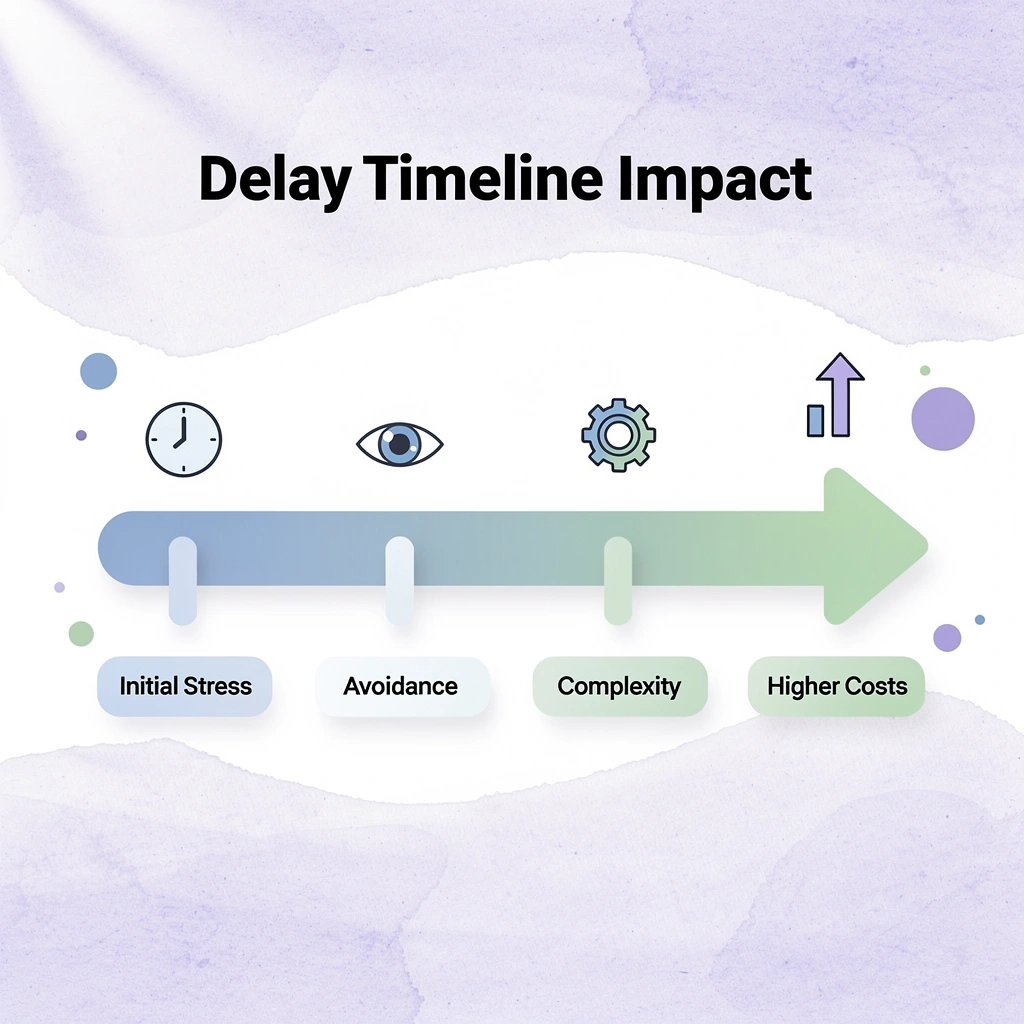
🔑 Takeaway: The longer you wait to address liquidation, the more complex and costly the process becomes.
The Hidden Cost of Waiting
Administrative duties don't cease when a company stops operating. Compliance filings, payroll, tax deadlines, vendor contracts, and government penalties continue to accumulate. Records become harder to organize, creditors harder to manage, and the company's legal and financial obligations extend well beyond operational closure.
Research published by The Jerusalem Post found that 72% of founders reported their mental health had been negatively affected by entrepreneurship, with anxiety among the most commonly reported challenges. This pressure makes liquidation psychologically easier to postpone than to confront.
Why do ongoing business costs accumulate so quickly?
Many founders underestimate the cost of "keeping the company alive just in case." Inactive businesses still require annual filing, bookkeeping, payroll systems, employee obligations, tax compliance, banking management, and vendor settlement. What begins as a temporary delay becomes a complex legal and administrative cleanup.
What happens when closure gets delayed too long?
The longer the closure is delayed, the harder it becomes. Financial records deteriorate. System access is lost. Employees depart. Important deadlines pass unaddressed. What could have been a structured wind-down becomes reactive damage control. A Financial Times report on startup closures found that founders often wait until hitting a crisis point before addressing shutdown logistics, even though structured closure support significantly reduces both compliance risk and emotional strain.
But knowing you need to close and understanding what that requires are two entirely different challenges.
What the Company Liquidation Process Actually Involves
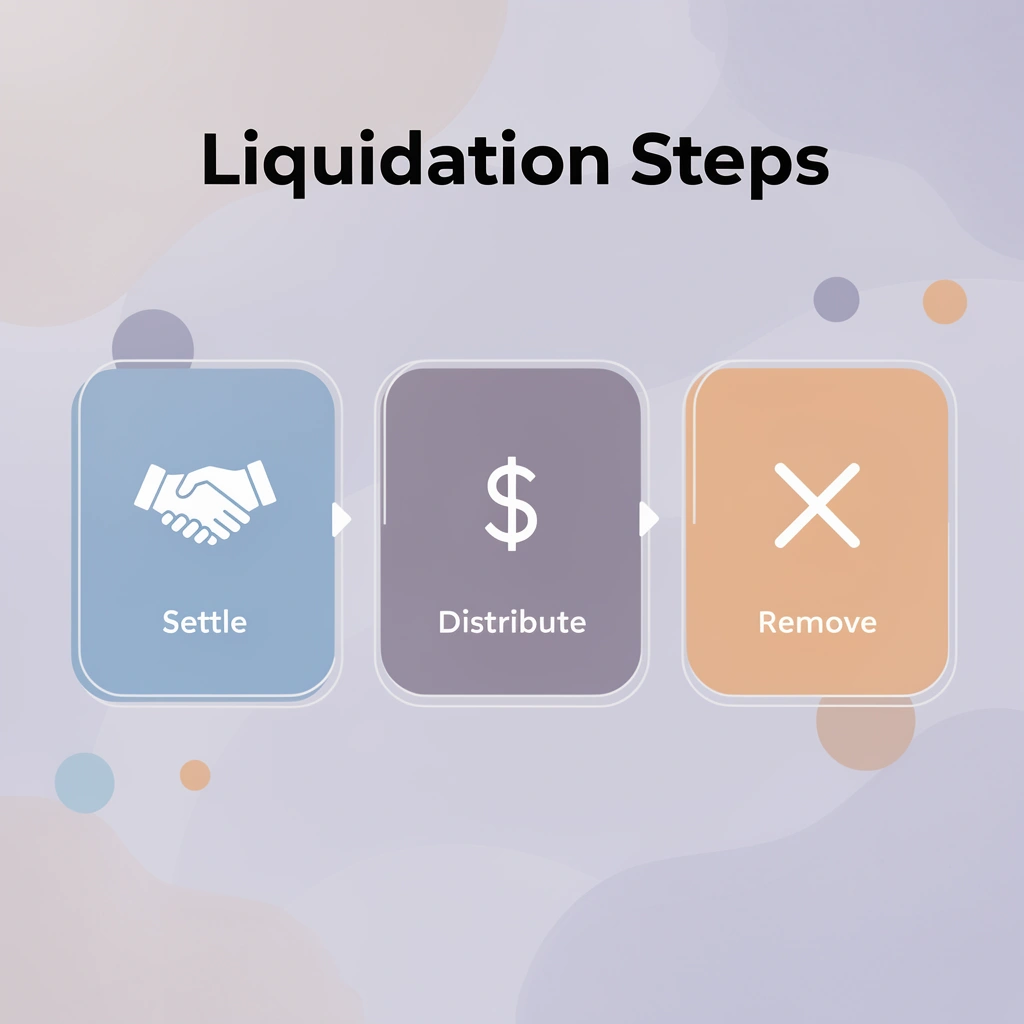
Company liquidation is the formal process of closing a business and legally ending its existence. It involves settling outstanding obligations, distributing remaining assets, and removing the company from official registries so it no longer has ongoing legal, tax, or compliance responsibilities. Many founders assume liquidation is a single filing or cancellation request. In reality, it is a coordinated process involving legal, financial, operational, and administrative work occurring simultaneously.

🎯 Key Point: Company liquidation isn't a simple paperwork exercise—it requires simultaneous coordination across multiple business functions to ensure complete legal closure.
"Company liquidation involves settling outstanding obligations, distributing remaining assets, and removing the company from official registries so it no longer has ongoing legal, tax, or compliance responsibilities." — Business Closure Process Overview
⚠️ Warning: Many founders underestimate the complexity of liquidation by thinking it's just a single filing, when it actually requires coordinated legal, financial, operational, and administrative work happening simultaneously.
Voluntary vs. Compulsory Liquidation
A voluntary liquidation occurs when a company chooses to shut down, typically because the business is failing, funding has ceased, or leadership wants to close in an organized manner before debts accumulate. A compulsory liquidation is imposed by courts or regulators due to unpaid debts or unmet legal obligations. In compulsory liquidation, founders have significantly less control over timelines, asset handling, and creditor negotiations.
Solvent vs. Insolvent Winddowns
There is an important difference between solvent and insolvent winddowns. In a solvent liquidation, the company can pay its debts, taxes, payroll obligations, and vendors before closing. An insolvent liquidation means the company cannot fully meet its financial obligations, creating additional scrutiny around creditor claims, outstanding payroll, asset sales, and director responsibilities. Founders navigating insolvency face greater complexity, particularly when multiple creditors compete for limited remaining assets.
What Actually Happens During Liquidation
Once the liquidation direction is clear, the process begins with formal approvals from directors and shareholders through board resolutions, shareholder voting, regulatory filings, or court submissions. Multiple operational tracks then proceed simultaneously. Creditors, government agencies, tax authorities, banks, payroll providers, insurers, and vendors require formal notification; missing even one stakeholder creates delays. Financial obligations must be reviewed and resolved, including outstanding invoices, loans, unpaid taxes, employee compensation, severance, subscription contracts, and vendor agreements.
What makes liquidation coordination so challenging?
What makes liquidation difficult is the coordination required across all steps. A founder may need to manage legal approvals, tax filings, employee exits, banking access, creditor communication, document retrieval, and accounting reconciliation simultaneously, often while emotionally processing the business's end.
Requirements vary significantly by jurisdiction, company structure, and financial condition. A process taking weeks in one country may take months in another due to tax clearances, labor requirements, or court involvement. Founders report liquidation processes extending for years despite no operations or revenue, requiring continued compliance filings throughout the shutdown.
How can technology streamline the liquidation process?
Starcycle addresses this coordination burden directly. Instead of founders managing dozens of simultaneous tasks across legal, tax, operational, and regulatory areas, the platform provides customized action plans, contract management, data tracking, and document organization. What previously required constant switching between accountants, lawyers, and government websites is now centralized into a single shutdown timeline.
But knowing what liquidation involves and executing it without creating additional problems are two different challenges.
Related Reading
- How To Close An LLC
- How To File Business Bankruptcies
- Closing A Company
- How To Close A Business With The Irs
- How Much To Dissolve Llc
The Most Common Liquidation Mistakes That Create Delays and Liability
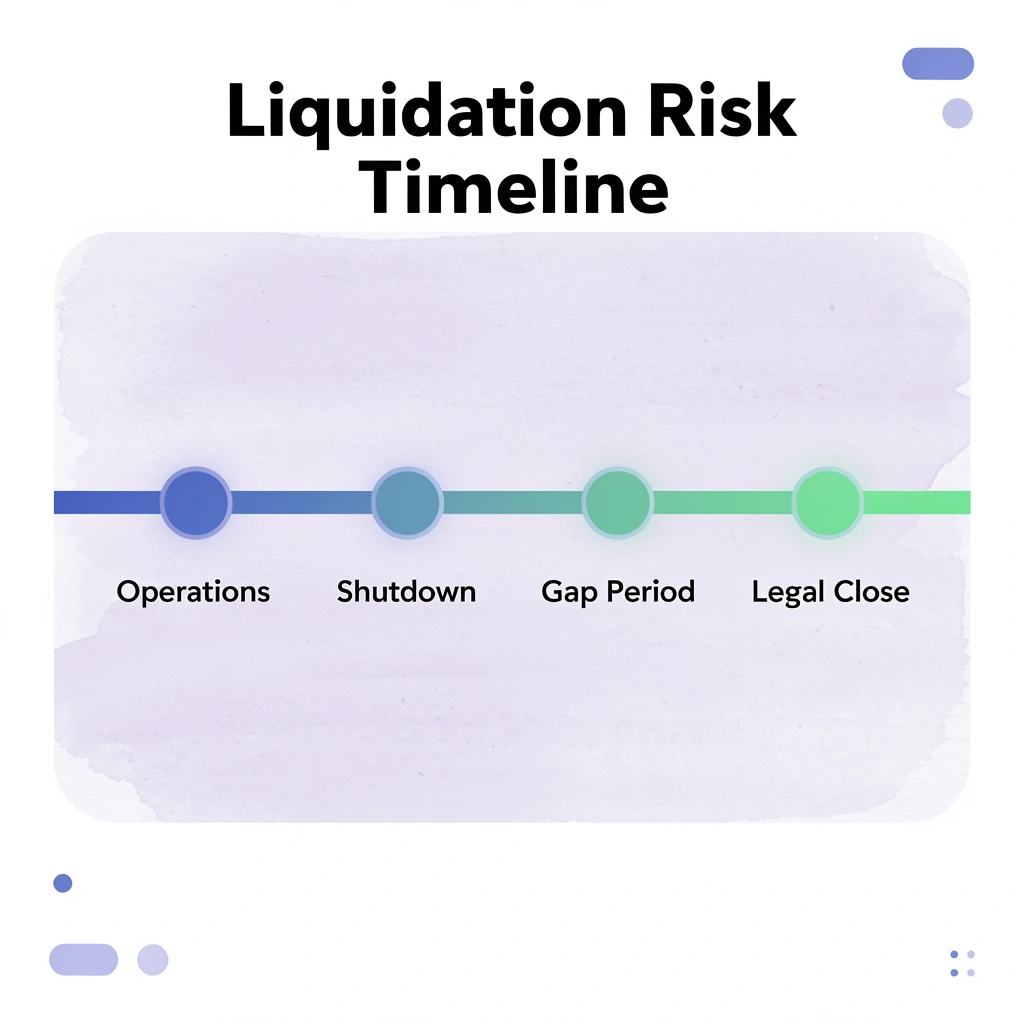
The most dangerous liquidation mistakes occur in the gap between when operations stop and when legal closure completes. Founders shut down bank accounts and cancel subscriptions while tax obligations, payroll reconciliations, and regulatory filings continue accumulating. This disconnect between "we stopped working" and "the company is legally dissolved" creates exposure that can follow founders for years.

🎯 Key Point: The period between operational shutdown and legal dissolution is when founders are most vulnerable to costly mistakes and ongoing liability.
"The gap between operational shutdown and legal dissolution creates the highest risk period for founder liability, with unresolved obligations that can persist for years." — Corporate Liquidation Best Practices, 2024
⚠️ Warning: Never assume that stopping business operations automatically terminates your legal and financial obligations—the company remains legally active until formal dissolution is complete.
Closing Financial Infrastructure Too Early
Closing down company bank accounts might seem like progress, but liquidation requires ongoing financial activity long after the last customer payment arrives. Final payroll adjustments, vendor settlements, tax payments, regulatory filing fees, and refund processing all need an active banking infrastructure. Without it, founders must reopen accounts or process payments through personal channels, creating complications for the audit trail and compliance issues. According to Silicon Valley Bank's 2023 analysis of startup shutdowns, unpaid payroll taxes can expose individuals to personal liability in certain jurisdictions.
Missing Tax Filings During Winddown
Inactive companies still have active tax obligations. Federal, state, and local authorities require final tax returns before a company can close, regardless of whether the business made money in its final months. Penalties accumulate when these requirements are missed, sometimes months after founders believe the company is closed. The problem worsens when accounting systems shut down prematurely: access to employee records, payment history, tax documents, and contractor filings disappears before final reporting is complete, forcing founders to rebuild documentation under tight deadlines. Jurisdiction-specific compliance rules compound the challenge when proper records or systems are not in place.
Informal Employee Offboarding
Speed often beats process during difficult shutdowns. Employees leave quickly, final agreements stay unsigned, benefits documentation gets postponed, and payroll reconciliation happens "later." Unresolved obligations resurface through labor disputes, tax notices, or compliance reviews. The issue extends beyond direct employees to contractors, advisors, and anyone holding equity or deferred compensation. Incomplete offboarding creates confusion around final payments, unused vacation accrual, health insurance continuation, and equity vesting schedules. Our Starcycle platform manages these overlapping obligations through centralized tracking, surfacing key dates, required documentation, and regulatory deadlines before they become costly problems.
Unresolved Contracts and Lingering Registrations
Stopping operations doesn't automatically end contracts. Many vendor agreements, software subscriptions, and service contracts renew automatically or require formal termination notices. Unresolved contracts create ongoing liability exposure even after the business stops operating. The same applies to business registrations: a company may dissolve at the state level but remain registered in other jurisdictions where employees worked or the business operated temporarily. According to Lazo Law's 2024 analysis, dormant entities accumulate franchise taxes, annual filing fees, and compliance penalties for years after operations stop if dissolution remains incomplete across all jurisdictions.
The Compounding Effect
These mistakes rarely appear in isolation. Missing one tax filing triggers penalty notices. Shutting down email systems means missing creditor communications. Incomplete employee documentation creates payroll tax discrepancies that trigger audits. Each oversight compounds the next, transforming a structured closure into a years-long administrative burden. The real cost extends beyond financial penalties: unresolved entities create problems during future fundraising when investors conduct due diligence and uncover missing dissolution records, unpaid taxes, or incomplete cap table documentation from previous startups.
The hardest part isn't knowing what could go wrong: it's knowing what to do first when everything needs attention simultaneously.
How to Prepare for Liquidation Before You Start the Process
Getting ready helps founders understand what happens when a company shuts down. Without proper preparation, liquidation becomes reactive: founders scramble for missing records, rebuild financial history, respond to regulators under pressure, and address forgotten obligations. With strategic preparation, the process becomes manageable.
🎯 Key Point: Preparation is the difference between a chaotic liquidation scramble and a controlled wind-down process. Founders who prepare in advance can focus on strategic decisions rather than frantically searching for documents.

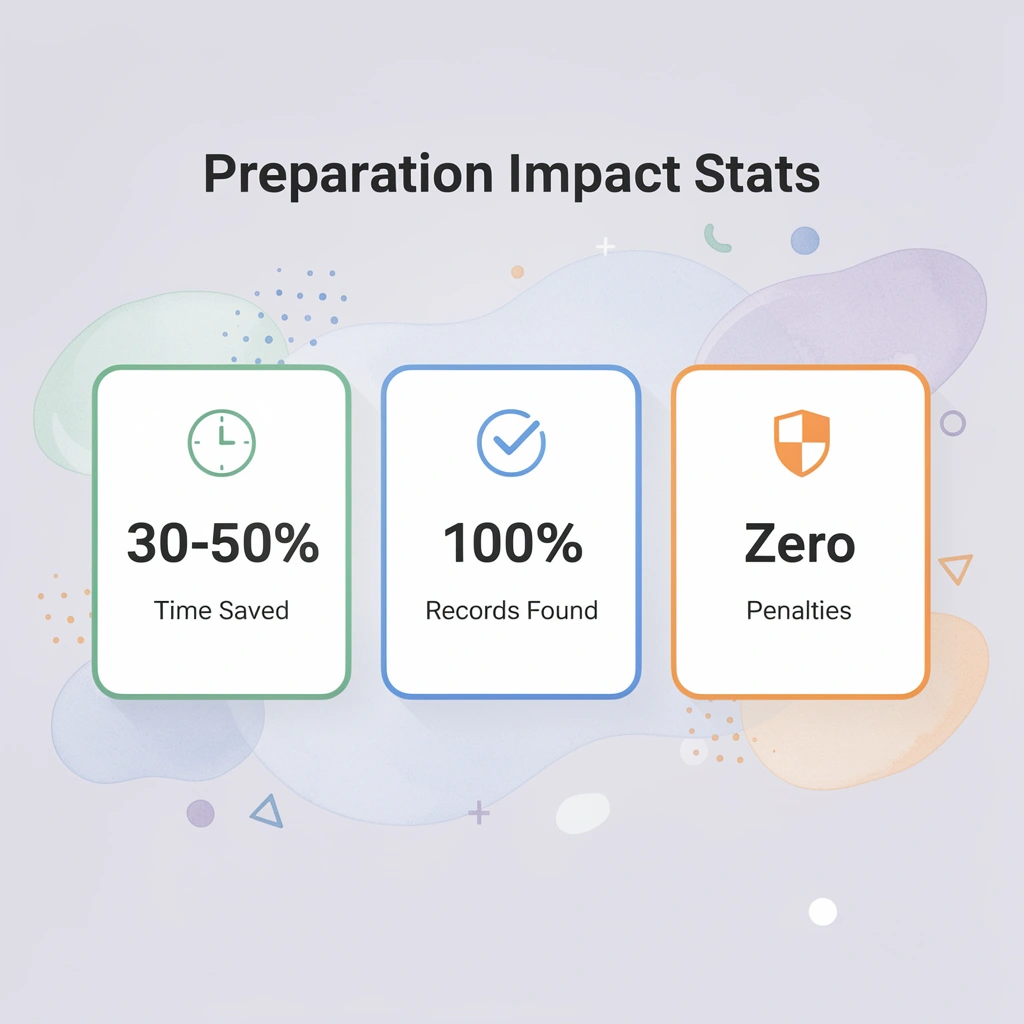
"Proper preparation prevents poor performance during liquidation. Companies that maintain organized records and clear processes can reduce liquidation time by 30-50% compared to unprepared businesses." — Business Liquidation Best Practices, 2024
⚠️ Warning: Don't wait until you're already in financial distress to start organizing your records. Last-minute preparation often leads to missed deadlines, regulatory penalties, and incomplete asset recovery.
Centralize Your Company Records First
The first step is creating a centralized archive of critical company records. In many startups, important information lives across disconnected systems: inboxes, payroll tools, cloud drives, legal folders, and former employee accounts. During liquidation, this fragmentation creates delays. Consolidate payroll records, accounting files, tax filings, shareholder agreements, employment contracts, vendor agreements, banking documentation, insurance policies, regulatory registrations, cap table records, and intellectual property documentation. Liquidation often requires revisiting decisions and obligations from years earlier.
Build a Complete Liability Checklist
A company may appear inactive while carrying unresolved obligations such as unpaid contractor invoices, payroll taxes, software subscriptions, deferred vendor payments, office lease obligations, dormant business registrations, compliance filings, and cloud infrastructure contracts. According to Murphy Business, 20% of small businesses fail in their first year, and many underestimate ongoing financial and compliance obligations that persist after operations cease, particularly around payroll taxes, benefits, and vendor agreements. Recurring systems and registrations—payment processors, SaaS tools, cloud hosting, insurance policies, state registrations, tax accounts, payroll subscriptions, and business licenses—continue renewing automatically unless formally closed.
Confirm Employee Offboarding Requirements Early
Employee obligations deserve early attention. Confirm final payroll timelines, accrued vacation or leave requirements, severance obligations, benefits termination procedures, immigration or sponsorship considerations, required employee notices, and final tax documentation. Labor compliance problems can persist long after the company closes, making this one of the highest-risk areas during liquidation.
How can you track all liquidation obligations effectively?
Most founders manage this using spreadsheets and memory until they discover a forgotten subscription or missing tax filing. Our Starcycle platform creates tailored action plans that track every obligation, contract deadline, and required filing in one place, preventing avoidable chaos during the closing process.
Knowing what to prepare is only half the equation. The harder question is knowing when to handle it yourself and when to seek outside help.
Related Reading
- IRS Closing A Business
- Involuntary Dissolution Of Llc
- How To Liquidate A Company
- How To Dissolve A Nonprofit
- Irs Cancel Ein
- Notice Of Dissolution
- How To Wind Down A Company
Why Founders Need a Structured Winddown Instead of DIY Closure
The coordination burden breaks most DIY closures. A founder managing liquidation alone must simultaneously track legal filings, final payroll, tax clearances, vendor terminations, employee documentation, shareholder approvals, banking access, accounting reconciliation, regulatory notifications, and records retention. Each workflow depends on others completing correctly and in sequence; one delayed task creates cascading problems across the closure timeline.

⚠️ Warning: The interdependent nature of closure tasks means that missing just one deadline can trigger legal penalties, tax complications, and extended liability exposure for founders.
"Coordination complexity is the #1 reason 78% of founders report their DIY closure took significantly longer than expected, with cascading delays affecting multiple workstreams." — Startup Closure Research, 2024

🔑 Takeaway: Professional winddown services eliminate the overwhelming task juggling that causes founders to make costly mistakes during an already stressful period.
What happens when founders lose visibility into closure dependencies?
When founders handle closure through scattered spreadsheets and disconnected conversations with advisors, they lose track of dependencies. Tax filings are delayed because accounting records were archived prematurely. Payroll issues resurface because employee offboarding was handled informally through email rather than systematically. Vendor disputes worsen because termination notices were never properly documented. These coordination breakdowns compound into expensive delays, penalties, and personal liability exposure.
How does emotional pressure affect coordination during shutdown?
The emotional pressure makes this coordination harder. Research from Harvard Business Review shows that founders experience significant cognitive overload during shutdown periods, which directly affects decision-making and task completion. This mental load makes it nearly impossible to maintain documentation discipline, especially when founders are mentally moving on.
Why Structure Changes Everything
Structured winddowns create operational clarity during a typically fragmented and emotionally exhausting period. Instead of relying on memory and scattered systems, founders work through a centralized process with defined milestones, tracked responsibilities, organized documentation, and visibility into remaining tasks.
How does structured guidance prevent common delays?
When unexpected issues arise, a fragmented DIY process can stall for weeks: even one missing tax document or an unresolved vendor obligation can trigger cascading delays. In a structured winddown, dependencies are identified earlier, tracked centrally, and resolved before they cause problems.
Services like Starcycle provide customizable shutdown management that centralizes contract tracking, key date monitoring, and document organization into a single workflow. Founders move through closure with clear timelines and tracked tasks instead of managing dozens of disconnected obligations across email threads, compressing what typically takes months into weeks.
What makes liquidation coordination so challenging?
Closing a business becomes difficult when many small operational details occur simultaneously, and no one has a complete view of what remains. Structured guidance replaces scattered email threads, disconnected conversations, multiple spreadsheets, and incomplete visibility with a coordinated process featuring clear timelines, centralized documentation, tracked tasks, and a defined sequence for resolving legal, payroll, tax, and compliance requirements.
But structured guidance only works if you know when you need it.
How Starcycle Helps Founders Navigate the Company Liquidation Process
Closing a company creates operational chaos: dozens of disconnected tasks, unclear timelines, fragmented documentation, and no single source of truth for what needs to be resolved.
🎯 Key Point: Company liquidation doesn't have to be an overwhelming administrative nightmare when you have the right guidance and tools.
Starcycle treats liquidation not as a cold legal transaction, but as a structured process with guidance, transparency, and empathy. The platform makes closure clearer and more manageable, helping founders resolve obligations without being overwhelmed by administrative tasks.
"Company liquidation involves dozens of disconnected tasks with unclear timelines and fragmented documentation, creating operational chaos for founders." — Starcycle Analysis, 2024
💡 Tip: The key to successful company closure is having a centralized platform that transforms chaotic administrative tasks into a clear, step-by-step process with built-in guidance and transparency.

What Starcycle Actually Does
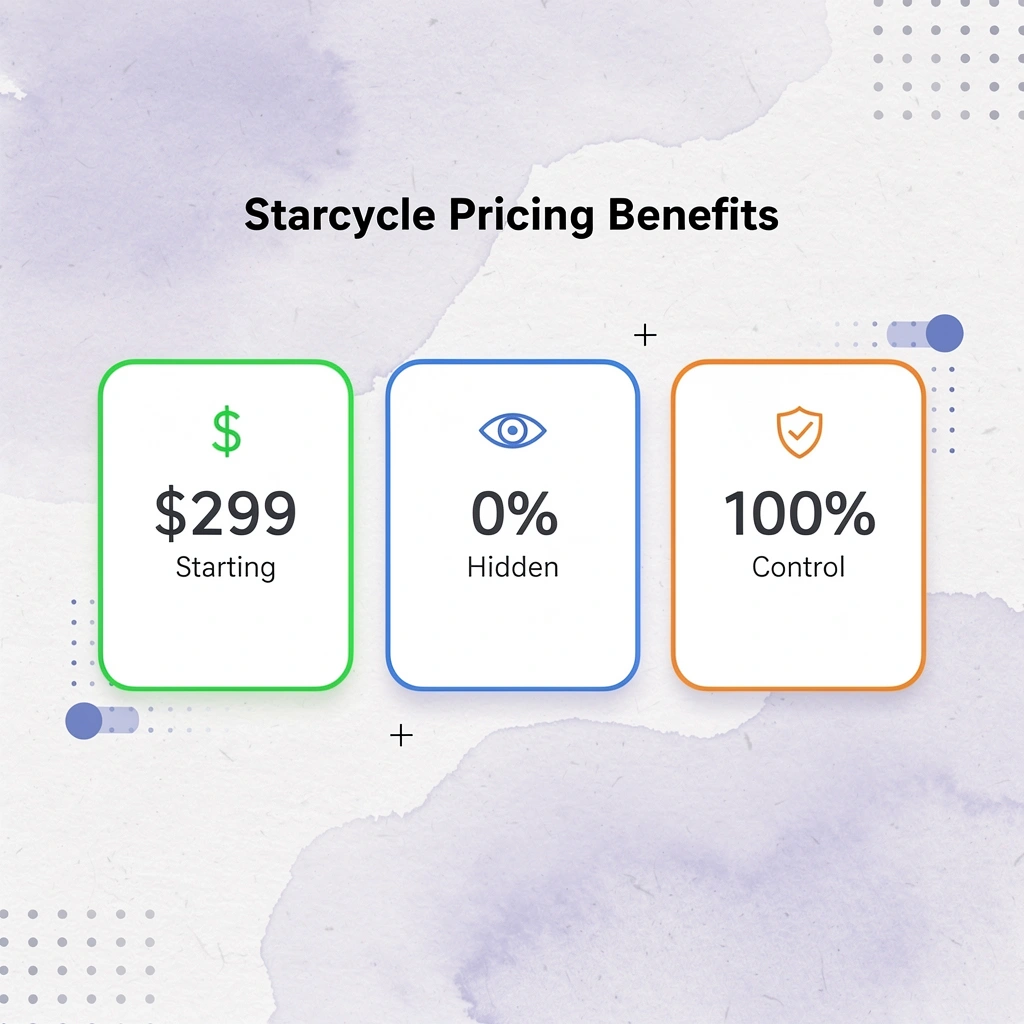
Starcycle organizes the moving parts that cause delays during DIY shutdowns by coordinating closure steps, simplifying documentation collection, and reducing confusion about next steps. The platform helps founders avoid missed obligations that create costly oversights. Pricing starts at $399 with no hidden fees.
The support is tailored to each company's situation rather than forcing founders into a one-size-fits-all process. Some startups need help with payroll tax clearances and employee documentation; others face vendor contract disputes or regulatory notifications across multiple states. Starcycle builds customized action plans that reflect actual obligations, not generic checklists that miss critical details.
Why Structure Matters More Than Speed
Small oversights accumulate into serious problems. A missed tax filing becomes a penalty. An undocumented vendor termination becomes a dispute. A forgotten payroll obligation becomes personal liability. The pattern emerges not from a single catastrophic failure but from a dozen small administrative gaps colliding simultaneously.
Starcycle recognizes that liquidation is not a compliance exercise but a transition between chapters. The process works best when founders have operational clarity and mental space to consider what comes next.
But knowing when you need structured help is harder than it sounds.
Sign up to Make your Business Closure Process Easier
If you're preparing for liquidation, sign up with Starcycle for a quote consultation that provides a personalized plan for winding down your business. You'll identify which obligations remain unresolved, what closure documents you need, and where your biggest compliance risks lie before filing anything.

🎯 Key Point: Get a complete liquidation roadmap before you start filing paperwork to avoid costly compliance mistakes.
"Starcycle starts at $399 with flat-fee pricing and no hidden costs, made for founders who want speed and clarity without giving up oversight."

Starcycle starts at $399 with flat-fee pricing and no hidden costs, designed for founders who want speed and clarity without sacrificing oversight. You remain involved in every decision while the platform handles coordination, tracking, and documentation across payroll, taxes, contracts, and regulatory filings, accelerating liquidation so you can move forward instead of managing administrative loose ends for months.
💡 Tip: Choose flat-fee pricing over hourly billing to maintain predictable costs during your business closure process.