
How Much Does It Cost To Dissolve An LLC? (Full Breakdown)
How much does it cost to dissolve an LLC? Starcycle breaks down filing fees, attorney costs, and hidden expenses. Get the complete cost guide now.


Dissolving an LLC involves more than simply stopping operations. Business owners must navigate state filing requirements, settle outstanding debts, and handle final tax obligations to avoid future legal complications. The costs can vary significantly, from basic state filing fees of $50 to $500, to several thousand dollars when professional assistance is required for complex situations.
Proper planning helps ensure the dissolution process proceeds smoothly and protects owners from personal liability. Professional guidance can streamline the administrative burden, from filing required paperwork to coordinating with creditors and tax authorities. For comprehensive support throughout this transition, many business owners turn to specialized services for business closure.
Table of Contents
- Why “How Much it Cost to Dissolve An LLC” Is Misleading
- What Dissolving An LLC Actually Involves
- The Real Cost Of Dissolving An LLC (Full Breakdown)
- Where LLC Dissolution Costs Increase Unexpectedly
- How To Estimate Your LLC Dissolution Cost
- What A Cost-Efficient LLC Dissolution Should Look Like
- How Starcycle Helps You Dissolve An LLC Without Unexpected Costs
- Sign up to Make your Business Closure Process Easier
Summary
- Dissolution costs vary dramatically based on timing and compliance status, not just state filing fees. State filing fees range from $25 to $200 in most jurisdictions, but accumulated penalties from delayed action often exceed $1,000. According to the National Conference of State Legislatures, the average annual LLC fee across the U.S. sits around $91, and these fees continue accruing until formal dissolution is recorded, regardless of whether the business is actively operating.
- Rejected filings create a costly cycle that most founders don't anticipate. The IRS reports that roughly 40% of final tax returns filed by small businesses in 2023 required amendments or corrections, which extends closure timelines and adds accounting costs. States reject incomplete filings without refunding fees, forcing founders to pay resubmission fees while annual fees continue to accrue during the extended processing period.
- Multi-state registrations multiply dissolution expenses in ways that standard cost calculators miss. LLCs registered as foreign entities in multiple states must file separate dissolution or withdrawal paperwork in each jurisdiction, with fees charged independently. A $60 filing fee becomes $180 for a business registered in three states, and forgetting a foreign registration can trigger penalties years after founders assume closure is complete.
- Timing dissolution strategically can save hundreds in unnecessary franchise taxes and annual fees. Delaying dissolution from December to January in California adds an extra $800 minimum franchise tax obligation. According to Tailor Brands, most states require dissolution within 2 years of ceasing operations to avoid accumulating penalties, yet many founders delay because they assume dormancy protects them from ongoing obligations.
- Professional support costs range from $200 to $3,000, depending on complexity, but the real expense comes from fixing errors after self-filing goes wrong. A CPA charges $500 to clean up two years of unfiled returns, and attorneys charge $1,200 or more to untangle rejected dissolutions and refile correctly across multiple states. The founders who spend the least overall are those who resolve everything in a single cycle, rather than minimizing initial costs and incurring penalties later.
- According to the IRS, 42.9% of all small businesses in the United States are structured as LLCs, and many founders assume dissolution is as simple as stopping operations. Business closure services address this by mapping every required state fee, outstanding tax obligation, and compliance step specific to an LLC's history and jurisdictions before the filing process begins.
Why “How Much it Cost to Dissolve An LLC” Is Misleading
Asking how much it costs to dissolve an LLC assumes a fixed price, like buying software or filing an annual report. Dissolution isn't a one-time transaction but a process with different steps, each carrying its own cost depending on where you're registered, how long you've been operating, and what obligations remain.

🎯 Key Point: LLC dissolution costs vary significantly based on your state, business complexity, and outstanding obligations—there's no universal price tag.
"The dissolution process involves multiple steps with varying costs, making it impossible to quote a single price for all LLCs." — Business Formation Expert Analysis

⚠️ Warning: Many business owners underestimate dissolution costs by focusing only on state filing fees while ignoring tax obligations, professional services, and compliance requirements.
What are the actual state filing fees for dissolution?
State filing fees vary significantly. Some states charge $50 to file Articles of Dissolution, while others charge $200 or more. A few states require tax clearance certificates before accepting dissolution paperwork, adding filings and potential delays. California requires a final franchise tax payment even if you dissolved your business mid-year. Delaware charges fees based on authorized shares. Each state treats business entities differently, so costs vary by location.
Could you explain why ongoing fees continue after you stop operating?
Most founders expect to pay the filing fee and move on. They don't realize their state charges annual fees or franchise taxes until dissolution is officially recorded. If you stopped operating in March but didn't file until September, you might owe fees for the full year. Businesses have accumulated penalties by conflating "closed" with "dissolved."
How do penalties and interest accumulate during delays?
Penalties and interest don't appear on dissolution cost calculators. They arise when filings are late, incomplete, or submitted without proper tax clearances. A founder who delays dissolution by six months might pay an extra $800 in franchise taxes or compliance fees. Each month of delay adds another layer of possible expense.
What drives professional service costs higher?
If your LLC has outstanding tax obligations, multiple state registrations, or unresolved contracts, professional help becomes necessary. Accountants and attorneys charge by complexity. One business might spend $500 on guidance; another might spend $3,000 because it operated in five states and missed several annual filings.
How can you avoid traditional legal service costs?
Traditional legal services charge thousands because they prioritize complexity over transparency. Founders either pay those rates or navigate alone, often missing steps that cost more to fix later. Platforms like Starcycle exist because dissolution requires structure without the traditional legal bill. Our tailored action plans, deadline tracking, and document organization transform an unpredictable process into a manageable one. But knowing the cost isn't enough if you don't understand what you're paying for.
Related Reading
- How To Close An LLC
- How To File Business Bankruptcies
- Closing A Company
- Irs Closing A Business
- How To Close A Business With The Irs
- Involuntary Dissolution Of Llc
- How Much To Dissolve Llc
What Dissolving An LLC Actually Involves
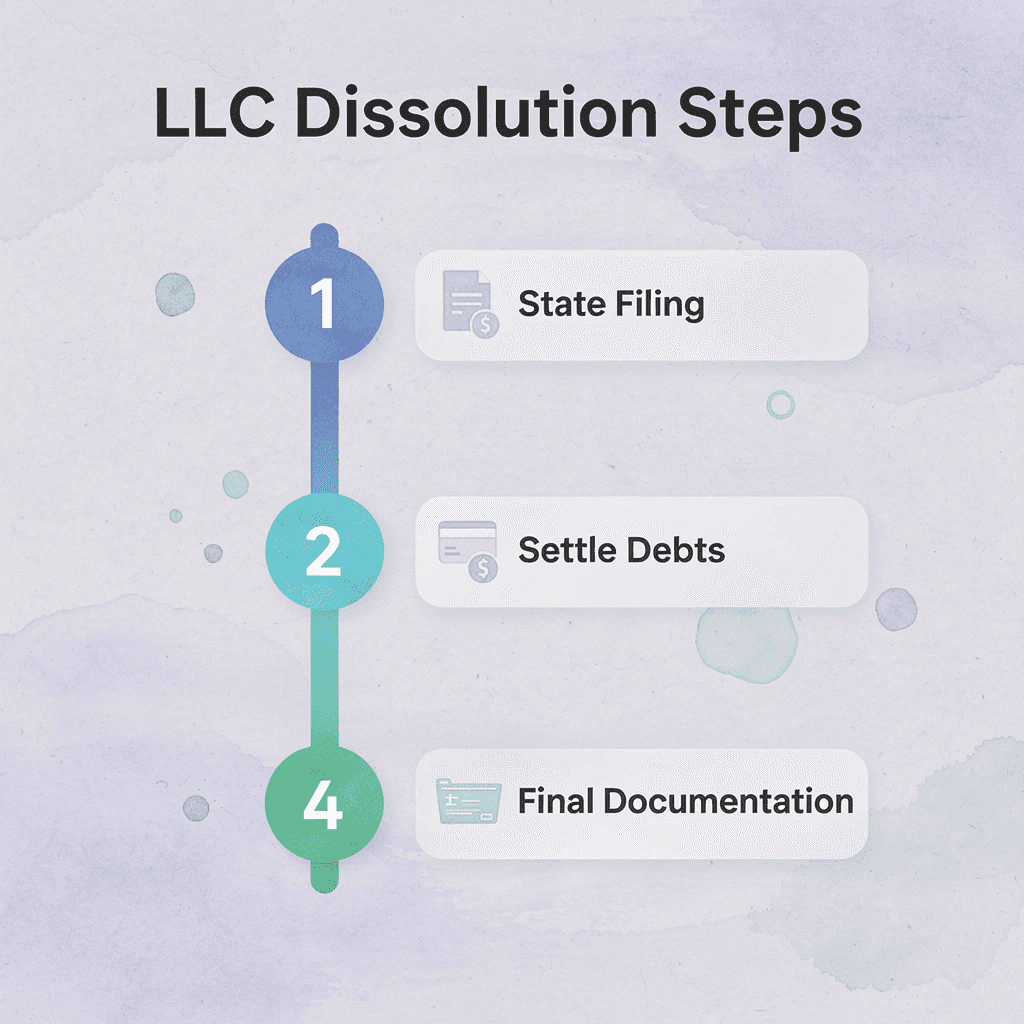
Dissolving an LLC means completing formal legal, tax, and operational steps to end the business entity. You must notify the state, settle obligations, close accounts, and prove to tax authorities that the company no longer exists. Miss a step, and you could be responsible for fees, filings, or worse.

Dissolution Step | What It Involves | Consequences If Skipped |
|---|---|---|
State Notification | File articles of dissolution with the Secretary of State | Ongoing state fees and legal liability |
Settle Obligations | Pay debts, distribute assets, notify creditors | Personal liability for business debts |
Close Accounts | Terminate bank accounts, cancel licenses | Continued fees and regulatory issues |
Tax Clearance | File final returns, obtain tax clearance | IRS penalties and ongoing tax obligations |
🎯 Key Point: LLC dissolution isn't just about stopping operations – it requires formal documentation to protect you from future liability and ongoing obligations.
"Properly dissolving your LLC is essential to avoid personal liability for business debts and ongoing state fees that can accumulate even after you stop operating." — Small Business Administration
⚠️ Warning: Many business owners think they can simply stop operating their LLC, but informal dissolution leaves you legally responsible for annual fees, tax filings, and potential creditor claims indefinitely.

Filing Articles of Dissolution
Submit Articles of Dissolution (or Certificate of Cancellation, depending on your state) to the Secretary of State where your LLC was registered. This document eliminates future compliance obligations like annual reports or franchise taxes once approved. Processing times vary from days to weeks. Until approval is granted, you remain legally active. If you registered in multiple states, file dissolution paperwork in each one. Forgetting a foreign registration can result in penalties years later for a business you thought was closed.
Settling Debts and Liabilities
Before the state finalizes your dissolution, you must resolve outstanding obligations: paying creditors, clearing vendor balances, and addressing active contracts or leases. If your LLC lacks sufficient cash, a legal priority order applies: secured creditors first, then employees owed wages, then general creditors. Shareholders or members get paid last, if at all. Creditors can pursue claims even after you've stopped doing business. If dissolution isn't completed correctly, personal liability protections erode.
Filing Final Tax Returns
File final federal and state tax returns marked as "final," reporting all income, expenses, and activity through your business's closing date. For single-member LLCs taxed as disregarded entities, file a final Schedule C on your personal return. For multi-member LLCs or those taxed as S-corporations or C-corporations, file Form 1065 or 1120 and check the box indicating this is the last filing.
What happens if you forget to file dissolution paperwork?
One founder created an LLC, forgot about it, and received IRS notices a year later requesting tax returns. The LLC had zero income, but the state still demanded its annual fee, and the IRS expected a filing. The confusion wasn't about taxes owed—it was about not knowing which forms to file or when to stop. Platforms like Starcycle exist because closing a business requires tracking multiple deadlines across agencies, not submitting one document.
Closing Accounts, Licenses, and Permits
Business bank accounts, payment processors, state permits, and local business licenses must be formally closed. Open accounts incur monthly fees, while active permits generate renewal notices or compliance issues. Some states require proof of EIN cancellation or closed sales tax accounts before approving dissolution. Our platform tracks and manages these closure requirements to prevent oversights. This step can drag on. Forgotten accounts and licenses create notices for a business you thought was shut down months ago.
The Real Cost Of Dissolving An LLC (Full Breakdown)
The cost to dissolve a business depends on how much you owe, where your business is registered, how long you wait, and whether you need help from a professional. The filing fee is only the beginning.

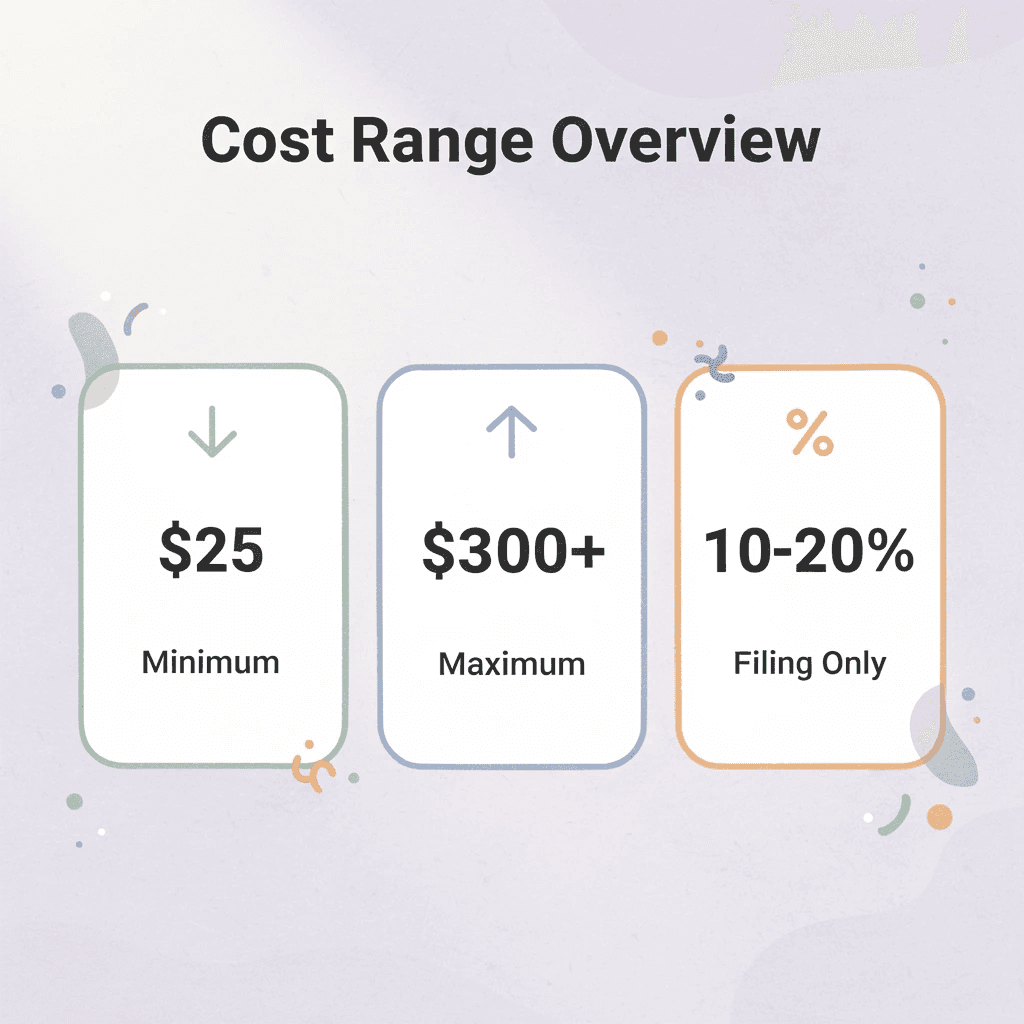
🎯 Key Point: Dissolution costs vary dramatically by state and business complexity. While some states charge as little as $25, others can cost $300+ just for filing fees.
"The filing fee represents only 10-20% of total dissolution costs when you factor in professional services, outstanding debts, and tax obligations." — Small Business Administration, 2024
Cost Component | Typical Range | Notes |
|---|---|---|
State Filing Fee | $25 - $300 | Varies by state |
Professional Services | $500 - $2,000 | Attorney/accountant fees |
Outstanding Debts | Variable | Must be settled first |
Tax Preparation | $200 - $800 | Final returns required |
⚠️ Warning: Many business owners underestimate dissolution costs by focusing only on filing fees. The real expense often comes from settling debts, final tax filings, and ensuring proper legal compliance to avoid future liability.

State Filing Fees
State filing fees vary significantly by location: Florida charges around $25, New York charges nearly $60, and California charges nothing. Most states charge between $25 and $200. If you're registered as a foreign LLC in multiple states, you must pay separately in each state—a $60 fee becomes $180 across three states. Expedited processing adds $25 to $100 per state and is not included in the base filing fee.
Outstanding Taxes And Penalties
Most states charge annual LLC fees regardless of income. The average annual LLC fee across the U.S. is around $91, according to 2024 data from the National Conference of State Legislatures. Missing a filing incurs steep penalties: some states impose $300 or more for late annual reports, and those penalties continue even during dissolution. California's franchise tax illustrates this problem. If you dissolve mid-year, you still owe the full $800 minimum for that tax year. Delay dissolution from December to January, and you've added another $800 to your total.
Professional Fees And Administrative Costs
You can dissolve an LLC yourself, but complications often arise. Legal fees typically range from $200 to $1,500, depending on your situation's complexity. If you have multiple members, outstanding liabilities, or registrations in more than one state, full-service legal and accounting support can cost $500 to $3,000 or more. Platforms like Starcycle offer a middle path, providing tailored action plans, contract management, and document organization for founders seeking structure without traditional legal rates.
What additional administrative costs should you expect?
Smaller costs add up, too: certified copies, status certificates, and mailing fees. Together, they push the total higher, though most founders don't budget for them until they're already paying.
What factors determine your total dissolution costs?
The total cost depends less on the filing fee and more on timing, rule compliance, and complexity. A simple, rule-following LLC might cost $0 to $200. Most businesses spend between $100 and $1,000. Complicated cases involving registrations in multiple states, liability issues, or professional assistance can cost $1,000 to $3,000 or more. Closing down an LLC becomes expensive when you delay, accumulating ongoing fees, missing filings, incurring penalties, or redoing steps due to initial errors.
Related Reading
- IRS Closing A Business
- Shutting Down A Company
- How To Wind Down A Company
- Notice Of Dissolution
- How To Dissolve A Nonprofit
- Irs Cancel Ein
- How To Liquidate A Company
Where LLC Dissolution Costs Increase Unexpectedly
Costs go up in the weeks and months before you file to dissolve your business. You stop operating, assume your obligations pause, and discover the state kept billing you. By the time you file, you owe more than what the business costs to keep running.

⚠️ Warning: Many business owners assume that stopping operations automatically pauses state fees and obligations. This costly misconception can result in accumulated penalties and late fees that exceed your normal operating expenses.
"The biggest surprise for dissolving LLCs is discovering months of accumulated state fees that continued accruing after operations stopped." — Small Business Administration, 2023
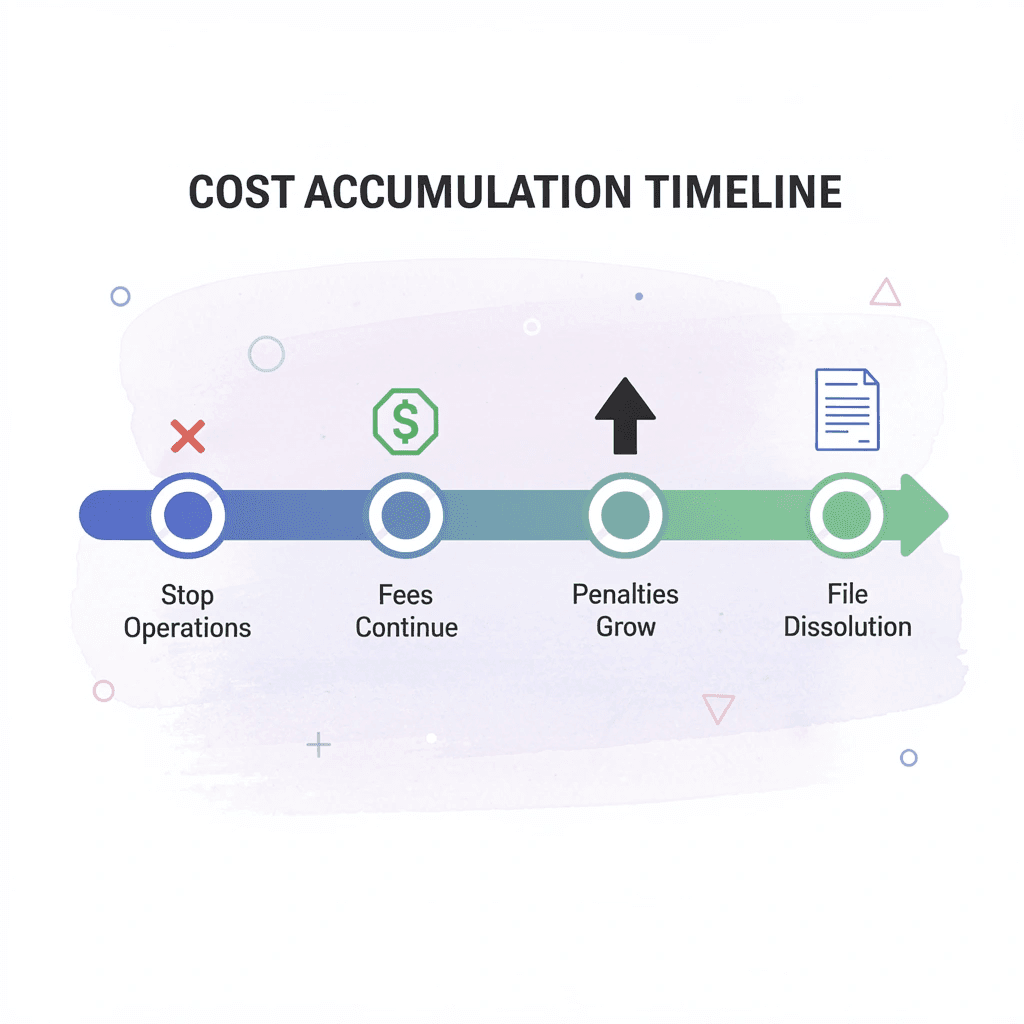
🔑 Takeaway: Time-sensitive dissolution is critical to avoid unexpected fee accumulation. The longer you wait between stopping operations and filing dissolution paperwork, the more you'll pay in ongoing state obligations and potential penalty charges.
The Compounding Effect of Delayed Action
Missed deadlines create a cascade. Your LLC continues to exist legally even when dormant, meaning annual reports, franchise taxes, and registered agent fees accumulate. California's $800 annual franchise tax applies regardless of revenue. New York's biennial statement fee of $9 becomes $59 with a one-day late penalty, and that's before missing two cycles. A founder who delays dissolution for 18 months in California pays $1,200 in franchise taxes alone before filing dissolution paperwork. That's $1,200 for a business that stopped generating income a year and a half ago.
When Paperwork Gets Rejected
States reject incomplete filings without refunding fees. Submit Articles of Dissolution without a tax clearance certificate, and the filing bounces back, forcing you to refile, wait another processing cycle, and continue accruing annual fees you thought you'd escaped. According to the IRS, roughly 40% of final tax returns filed by small businesses in 2023 required amendments or corrections, which extended closure timelines and added accounting costs.
How do multi-state registrations complicate dissolution?
This pattern repeats across different areas. If you registered as a foreign LLC in three states but dissolved only in your home state, you remain legally active elsewhere. Each state charges separately for withdrawal, and you remain liable in every area where you're registered until all filings are complete.
The Professional Fee Threshold
Most founders try to save money by handling dissolution themselves, but tax complications—unfiled returns, outstanding liabilities, payroll issues—make errors expensive to fix. A CPA charges $500 to clean up two years of unfiled returns. An attorney charges $1,200 to untangle a rejected dissolution and refile correctly across multiple states.
How can platforms prevent costly dissolution mistakes?
Platforms like Starcycle prevent this by organizing the process upfront. Instead of discovering missed steps after rejection, the platform provides founders with a sequenced action plan that tracks deadlines, manages state-specific requirements, and flags tax clearances before filing. This compresses what typically stretches across months into a structured timeline, reducing penalties and confusion.
What drives the real dissolution expenses?
The real expense isn't the state filing fee, but everything required to determine what the state actually requires.
How To Estimate Your LLC Dissolution Cost
To estimate LLC dissolution costs accurately, map every cost driver beyond the filing fee. The dissolution process involves multiple expense categories that accumulate quickly: state filing fees (ranging from $50 to $800), attorney fees for complex situations ($500 to $3,000), tax preparation costs for final returns ($200 to $1,500), asset liquidation expenses, and outstanding debt settlements. Business owners should create a comprehensive cost worksheet that accounts for all potential expenses, not just the obvious ones.

Cost Category | Typical Range | When Required |
|---|---|---|
State Filing Fee | $50 - $800 | Always required |
Attorney Fees | $500 - $3,000 | Complex dissolutions |
Tax Preparation | $200 - $1,500 | Final tax returns |
Asset Liquidation | 5% - 15% of value | When selling assets |
Debt Settlement | Variable | Outstanding obligations |
"73% of business owners underestimate their dissolution costs by focusing only on filing fees, missing the hidden expenses that can triple the final bill." — Small Business Administration Study, 2023
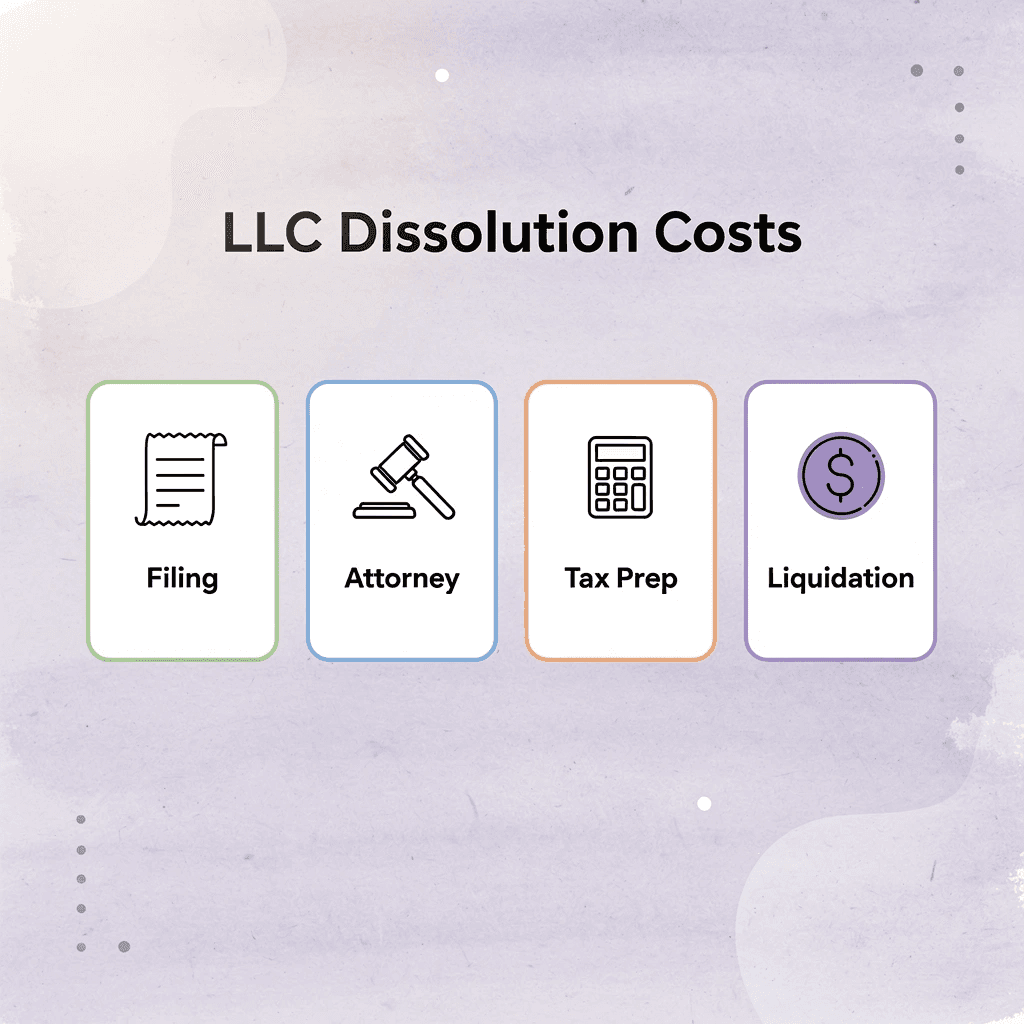
🎯 Key Point: The true cost of LLC dissolution often runs 2-3 times higher than the basic filing fee alone.
⚠️ Warning: Never budget based solely on state filing fees – hidden costs like final tax preparations and asset liquidations can create unexpected financial surprises during the dissolution process.
Identify Your State's Dissolution Fee
Each state charges its own fee to file Articles of Dissolution. According to the Global Referral Network, state filing fees for LLC dissolution range from $50 to $800, depending on the state. If your LLC is registered in multiple states, you may need to pay dissolution or withdrawal fees in each one.
Check For Outstanding Taxes And Compliance Requirements
Check for any unpaid state or federal taxes, annual reports, franchise taxes, and missed filings. Many states continue charging fees until the LLC is formally dissolved. Penalties and interest on missed filings can quickly exceed the original filing fee.
Factor In Optional Professional Support
Decide whether to handle the process yourself or get professional help. DIY means lower cost but higher risk of mistakes. Professional support (legal or accounting) typically costs $200 to $2,000 or more, depending on complexity. If your LLC has multiple members, liabilities, or registrations in more than one state, professional help becomes necessary. Platforms like Starcycle offer a middle path, providing structured action plans and document organization without the full cost of traditional legal services.
How does timing affect dissolution costs?
Timing directly affects cost. Delaying dissolution triggers additional annual state fees, late-filing penalties, and interest on unpaid taxes. Even a few months of delay significantly increases the total cost. The Global Referral Network notes that dissolution typically spans 30 to 90 days, but procrastination extends that window and multiplies costs through compounding fees.
What are the typical cost ranges for LLC dissolution?
Finding out about all fees, taxes, and requirements before you file keeps costs predictable. Costs discovered during the process are harder to control. Typical ranges: low-complexity (compliant, single-state) runs $0 to $200; standard cases (some filings or taxes) range $100 to $1,000 or more; complex cases (multi-state, liabilities, delays) range $1,000 to $3,000 or higher. But knowing the numbers doesn't tell you what efficient looks like.
What A Cost-Efficient LLC Dissolution Should Look Like
Cost efficiency isn't about finding the cheapest filing service or skipping steps to save $50. It's about completing the process once, correctly, so you never pay for the same obligation twice. Founders who spend the least overall resolve everything upfront, not those who minimize initial costs and then face penalties, missed deadlines, and reopened filings later.

🎯 Key Point: The most cost-efficient dissolution strategy focuses on comprehensive completion rather than minimal upfront spending.
"True cost efficiency means doing it right the first time - penalties and refiling fees can easily double your dissolution costs." — Business Formation Experts, 2024
⚠️ Warning: Cutting corners on state filings, tax clearances, or asset distribution can result in personal liability that costs far more than proper dissolution procedures.
Why should you resolve everything in a single cycle?
The most expensive dissolutions happen in stages. You file paperwork, then discover six months later you owe back taxes. You close state registration, but forget the registered agent subscription that keeps billing. You think you're done, then receive a penalty notice for an unfiled annual report. Each reopening adds fees, time, and professional help to fix what should have been handled initially.
What does efficient dissolution require?
Efficient dissolution requires settling all obligations before filing: outstanding debts, final tax returns, vendor contracts, payroll obligations, and compliance filings across every state where you registered. Closing everything simultaneously eliminates lingering charges. One founder formed an LLC through an online service, never conducted business, and assumed inactivity meant no obligations. Annual fees arrived anyway. By dissolution, they owed two years of state fees plus late penalties, turning a $0 operation into a $600+ closure cost. The LLC existed, so the state expected compliance regardless of revenue.
What obligations must you eliminate to complete dissolution?
A dissolution isn't complete until your entity stops incurring charges. This requires formal closure of your formation state, withdrawal from all foreign registrations, cancellation of your EIN with the IRS, and termination of your registered agent service. According to Tailor Brands, most states require dissolution within 2 years of ceasing operations to avoid accumulating penalties. Any open registration will continue to accrue fees.
How do ongoing registrations affect your costs after dissolution?
The real savings appear after you dissolve your business: no yearly reports, franchise taxes, registered agent fees, or penalty risks. If you formed your business in California and registered as a foreign entity in New York, you're paying both states until you formally close both registrations. Dissolving only in California leaves the New York obligation active, and those fees accumulate.
Why does timing matter for dissolution costs?
The cost of closing a business depends on timing. Filing in January may exempt you from the full year's franchise tax, whereas waiting until March requires payment for the entire year in some states before closure is permitted. If you wait too long, problems pile up: the unfiled yearly report, late filing fees, additional tax debt, and sometimes the cost of hiring help to resolve them.
How can you avoid unexpected dissolution costs?
Platforms like Starcycle help founders map every obligation by jurisdiction and deadline, ensuring nothing gets missed and no costs appear unexpectedly. The process becomes a checklist rather than a guessing game. But even with a clean process, one question remains: what happens when you need help, and how much does that support cost?
How Starcycle Helps You Dissolve An LLC Without Unexpected Costs
Most founders discover the cost of help only after paying for delays, penalties, or incomplete work. Starcycle flips that around by showing you the full cost before you commit.

🎯 Key Point: Transparent pricing means no surprise fees, hidden charges, or unexpected costs that can derail your LLC dissolution timeline.
"Transparent pricing eliminates the guesswork and financial stress that comes with LLC dissolution, allowing founders to budget accurately from day one." — Business Formation Expert, 2024
💡 Tip: Always ask for upfront pricing when working with any service provider for your LLC dissolution - this simple step can save you hundreds of dollars in unexpected fees.
Transparency before action
You start with a breakdown, not a sales pitch. Starcycle maps every required state fee, outstanding tax obligation, and compliance step specific to your LLC's history and jurisdictions. You see the real cost of dissolution up front, including fees you didn't know existed and obligations you thought were already resolved. According to the IRS, 42.9% of all small businesses in the United States are structured as LLCs, and many founders assume dissolution is as simple as stopping operations. Starcycle shows you what stopping costs in dollars and what deadlines are before you take the first step.
Why does filing order matter when dissolving an LLC?
Filing quickly doesn't help if you file in the wrong order. Starcycle structures the process so each action builds on the last: resolve debts, file final taxes, submit dissolution paperwork, and cancel registrations. This sequencing prevents rejected filings, which force you to restart and pay twice. It also ensures you don't trigger new obligations while closing old ones, such as keeping a registered agent active until the state confirms your dissolution is complete.
How can you manage the dissolution process efficiently?
Platforms like Starcycle handle contract tracking, deadline management, and document organization in one place, eliminating the need to juggle spreadsheets, state portals, and email threads. The process becomes a checklist you can complete in one pass, not a series of reactive fixes that span months and rack up fees.
No hidden follow-up costs
Starcycle flags obligations extending beyond the dissolution filing: final tax returns due months later, registered agent fees that automatically renew, and compliance reports triggered by partial-year activity. By identifying these costs early, you resolve everything in the same cycle rather than through follow-up notices and late penalties. But knowing the cost and completing the process leaves one question: what happens when you're ready to start?
Sign up to Make your Business Closure Process Easier
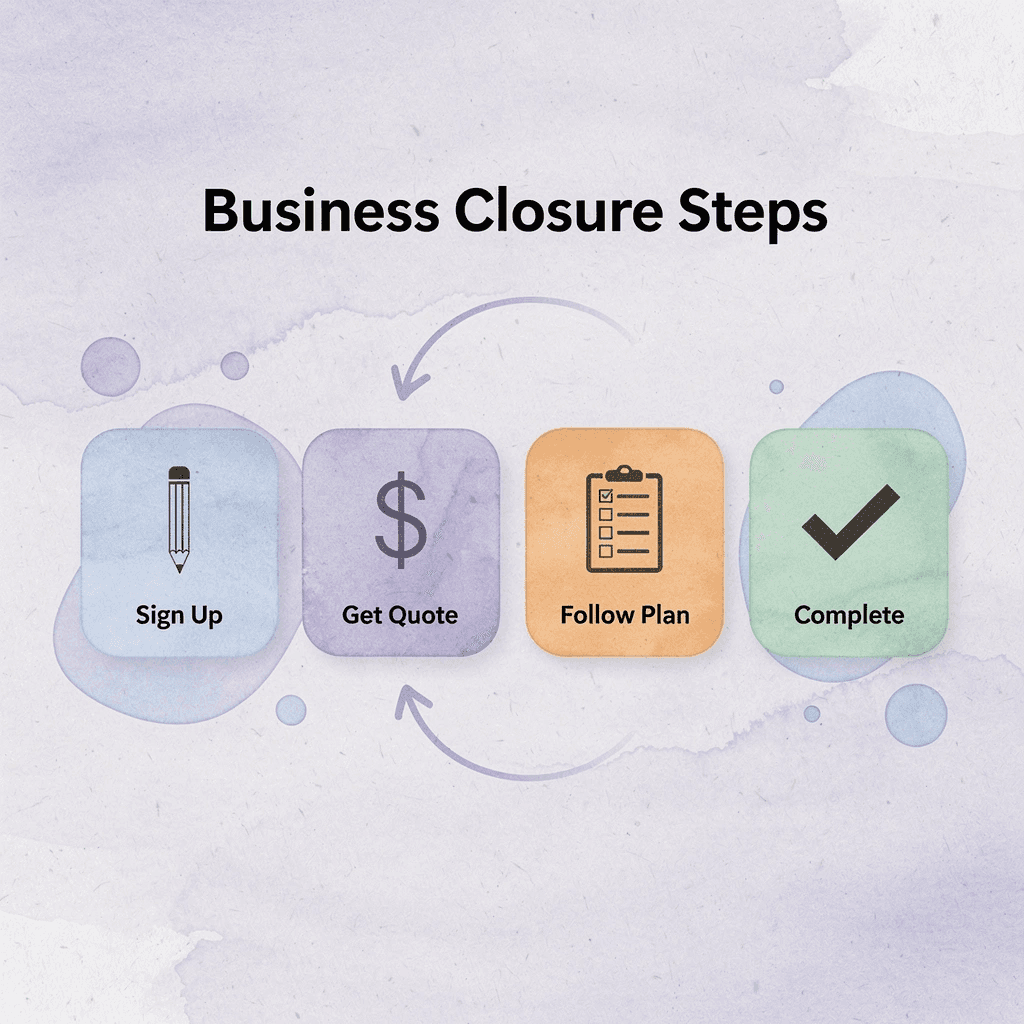
Sign up with Starcycle to get a quote and receive a clear cost breakdown and step-by-step plan to dissolve your LLC efficiently. Our platform eliminates the stress of wondering whether you missed something or if a forgotten filing will surface months later. No guesswork, no follow-up surprises, no lingering obligations.
🎯 Key Point: Closure isn't failure—it's the necessary step that lets you start something new without dragging unresolved obligations behind you. Starcycle was built by founders who've experienced shutdowns and understand that getting back to what you love requires finishing what you started, properly and completely.
"Getting back to what you love requires finishing what you started, properly and completely." — Starcycle Founders

⚠️ Warning: Don't let unresolved business obligations follow you into your next venture. Proper closure is the foundation for future success.