How to File Business Bankruptcy Without Costly Mistakes
Learn how to file business bankruptcy correctly with Starcycle's step-by-step guide. Avoid costly errors and protect your assets today.


When mounting debts threaten business survival, owners face critical decisions about bankruptcy options and proper closure procedures. Chapter 7 liquidation differs significantly from Chapter 11 reorganization, and each path carries distinct implications for personal liability and asset protection. Understanding these differences helps business owners avoid costly mistakes that can create long-term financial consequences. The bankruptcy filing process requires careful attention to legal requirements and strict adherence to procedural deadlines.
Filing for business bankruptcy involves complex paperwork, creditor notifications, and compliance obligations that overwhelmed owners often overlook during this stressful period. Missing key steps can result in personal liability issues or incomplete dissolution that creates future problems. Professional guidance becomes invaluable when navigating dissolution filings, managing creditor communications, and ensuring all legal requirements are met. Starcycle provides comprehensive support for business closures through both bankruptcy proceedings and voluntary shutdowns.
Table of Contents
- Why Founders Wait Too Long To File
- What Filing For Bankruptcy Actually Involves
- Where Bankruptcy Filings Break Down
- 6 Step-by-Step Process on How To File Business Bankruptcy
- What A Clean Bankruptcy Filing Should Achieve
- How Starcycle Helps You File And Close With Clarity
- Sign up to Make your Business Closure Process Easier
Summary
- Founders delay bankruptcy filings for the same reasons people procrastinate on difficult financial decisions. According to IPX1031, 40% of Americans wait until the last two weeks to file their taxes, mirroring how business owners approach insolvency when consequences feel distant. Revenue hasn't disappeared completely, customers are still paying (just slower), and there's enough momentum to believe next month might improve. Meanwhile, liabilities compound quietly through interest, penalties, and escalating creditor actions until options narrow significantly.
- The Administrative Office of the U.S. Courts reported 24,737 business bankruptcy filings in the twelve months ending December 2025, a 7.1 percent increase year over year. This pattern reflects businesses reaching the point where informal debt management no longer works. Research on financial distress shows that companies entering formal bankruptcy later experience worse outcomes across revenue, employment, and profitability. Waiting doesn't buy time; it trades clarity for complexity and closes negotiation windows that existed months earlier.
- Bankruptcy filings fail most often due to incomplete financial records rather than procedural misunderstanding. Courts require complete transparency from the start, and gaps between submitted documentation and actual business reality create immediate friction. According to the United States Department of Justice, bankruptcy fraud, including concealing assets or falsifying records, carries fines and potential imprisonment. Even unintentional omissions trigger follow-up requests, amendments, and delays that consume attorney hours and extend timelines before protections stabilize.
- Chapter 7 bankruptcy remains on credit reports for 10 years, according to Business Insider, which can affect founders' ability to secure financing, rent commercial space, or start another business. This long-term impact makes filing accuracy critical not only for completing the immediate process. Errors don't just create administrative problems; they extend six-month processes into year-long ordeals while reinforcing the emotional toll of a bureaucratic loop that will never end.
- Total bankruptcy filings rose 11 percent according to the United States Courts, bringing increased scrutiny to how obligations are documented and resolved. A properly executed filing doesn't eliminate all risk, but it narrows exposure by ensuring liabilities are documented correctly, obligations are handled in proper priority order, and available legal protections are actually triggered. The difference between structured closure and disorganized collapse becomes evident later, when founders attempt to raise capital, start new ventures, or re-enter the market.
- Starcycle addresses business closure by consolidating financial records, liability documentation, and contract obligations into a structured system that mirrors what courts and trustees require, helping founders prepare complete filings before submission rather than discovering gaps through amendments.
Why Founders Wait Too Long To File
Why do business owners delay filing for bankruptcy?
You wait because the numbers haven't forced your hand yet. Revenue is down, but not gone. Customers are slower to pay, but they're still paying. There's enough oxygen in the room to believe next month might look different.
According to IPX1031, 40% of Americans wait until the last two weeks to file their taxes, a pattern that mirrors how founders approach financial deadlines when stakes feel abstract or distant. Insolvency builds quietly, one missed payment at a time, until available options disappear.
What happens while you wait to file?
While you're waiting, liabilities continue to build: interest compounds, penalties stack, and creditors escalate from reminders to demands to legal action.
The Administrative Office of the U.S. Courts reported 24,737 business bankruptcy filings in the 12 months ending December 2025, a 7.1 percent increase year over year. Most filings followed months of founders attempting to avoid the inevitable.
Why delay feels rational
The sunk cost fallacy makes it harder to walk away after investing years, money, and identity into something. Optimism bias convinces you that your situation is different, that the turnaround is closer than the data suggests. Avoidance kicks in because facing the reality of failure feels worse than managing the slow decline. These aren't character flaws—they're human biases that every founder encounters when a business stops working.
What waiting actually costs
By the time most founders file, creditor relationships are strained, and negotiation windows have closed. What could have been structured six months earlier becomes a reactive scramble. Research on financial distress shows that companies entering formal bankruptcy later experience worse outcomes across revenue, employment, and profitability. Waiting trades clarity for complexity.
Starcycle offers a structured path through business closure without waiting until bankruptcy becomes the only option. The platform manages dissolution filings, creditor notifications, and compliance tasks while preserving control and reducing emotional burden.
Understanding the filing process helps determine when to act.
What Filing For Bankruptcy Actually Involves
Filing for bankruptcy means submitting your business to a court-supervised process with strict documentation requirements, set timelines, and legal consequences for mistakes. You create a public legal record that determines how your debts get handled, which creditors get paid first, and whether your business can continue operating or must sell off its assets. Every form, creditor listing, and asset disclosure becomes part of a case governed by federal rules rather than personal preferences.
🎯 Key Point: Bankruptcy isn't just paperwork—it's a legal proceeding that permanently affects your business's future and creates a public record that creditors, partners, and customers can access.
"Bankruptcy filings become part of the public record, meaning anyone can access details about your business's financial situation and debt obligations." — U.S. Courts Administrative Office

⚠️ Warning: Documentation errors or missed court deadlines can result in case dismissal, leaving you with no debt relief and additional legal fees to pay.
The Two Paths: Liquidation or Restructuring
Most businesses enter bankruptcy through one of two channels. Chapter 7 liquidation stops operations entirely, with a court-appointed trustee selling assets and distributing proceeds to creditors according to legal priority: secured creditors first, then priority claims like taxes and wages, then unsecured creditors. You do not control the sale process or timeline.
How does Chapter 11 restructuring work?
Chapter 11 restructuring allows a business to continue operating while resolving its debts through court supervision. The company creates a repayment plan, creditors vote to accept or reject it, and a judge must approve it. This option works only if the business generates sufficient revenue to fund the plan and cover operating costs.
Which path should you choose?
According to the United States Courts, personal and business bankruptcy filings increased 10.6 percent in the twelve-month period ending September 30, 2025. The choice between restructuring and liquidation depends on whether your business has viable operations. Restructuring demonstrates to the court that your business model can support a repayment plan, while liquidation acknowledges it cannot.
Why Documentation Determines Everything
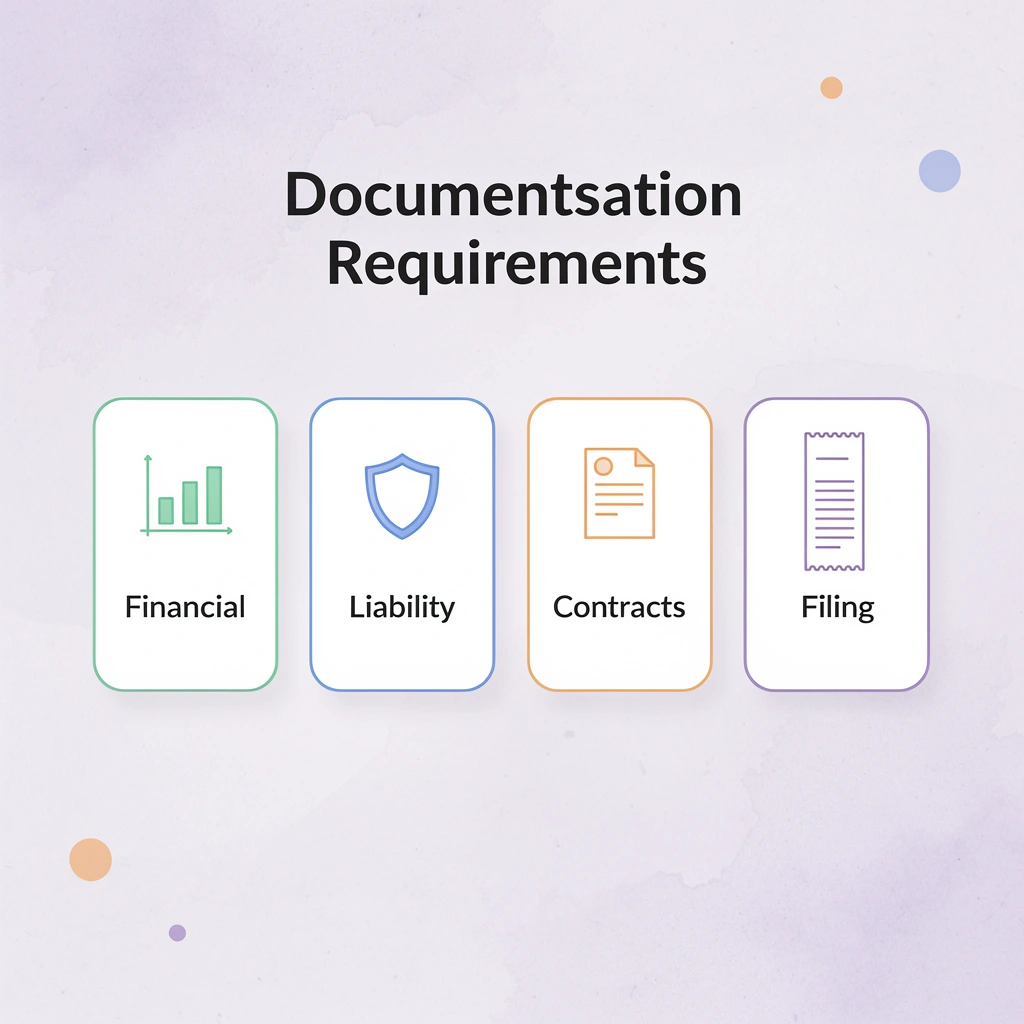
The filing process requires a complete financial picture: every asset (bank accounts, equipment, inventory, intellectual property, accounts receivable, real estate) and every liability (loans, credit lines, vendor debts, tax obligations, lease commitments, pending lawsuits). You must disclose all contracts, employment agreements, and recent financial transactions. Omitting a creditor or understating a liability can invalidate protections, expose you to fraud allegations, or allow creditors to challenge the filing.
Why does sequence matter as much as completeness?
Order matters as much as getting everything done. Financial records must be gathered before forms are filled out. Creditors must be sorted by type and priority before notifications are sent. Filings must be submitted in the correct order within strict deadlines. Skipping steps or reversing the order creates extra work, delays court approval, and exposes the party to legal exposure. The court does not adjust timelines for lack of preparation.
You are proving what you owe, showing that you have accounted for everything, disclosed it accurately, and followed the procedural rules that govern bankruptcy cases. The court seeks honesty, completeness, and adherence to a defined legal framework.
How can platforms help manage documentation requirements?
Starcycle helps founders manage the pre-filing documentation phase by organizing contracts, tracking liabilities, and ensuring creditor notifications follow the required sequence. This preparation does not replace legal counsel but reduces the chaos of gathering records under deadline pressure.
But even with perfect documentation, the filing process hits unexpected friction points for most founders.
Related Reading
- How To Close An LLC
- How Much To Dissolve an LLC
- Involuntary Dissolution Of Llc
- Closing A Company
- How To Close A Business with the IRS
- How To Dissolve A Corporation
Where Bankruptcy Filings Break Down
Bankruptcy filings fail when documentation doesn't match business reality. Courts require complete transparency, and gaps between submitted materials and actual conditions create immediate friction. Founders often discover that courts demand a different standard of "solid" than startups typically maintain.

🎯 Key Point: The #1 reason bankruptcy filings get rejected is incomplete or inconsistent documentation that doesn't reflect the company's true financial state.
"Courts demand a different standard of 'solid' than startups typically maintain when it comes to financial documentation and business transparency."

⚠️ Warning: Gaps between your submitted materials and actual business conditions will create immediate friction with the court and can derail your entire filing process.
Incomplete Financial Records
Founders often start the process without complete financial records: missing asset registers, unclear liabilities, or gaps across contracts, payroll, and tax obligations. Courts expect full transparency from the start. Under U.S. bankruptcy law, debtors must file schedules of assets and liabilities and a statement of financial affairs.
Intentional omissions or false statements can lead to case dismissal or criminal penalties. According to the United States Department of Justice, bankruptcy fraud, including concealing assets or falsifying records, carries fines and potential imprisonment. Even unintentional gaps trigger follow-up requests, amendments, and delays.
Missing Or Incorrect Forms
Bankruptcy filings require multiple aligned forms, and errors are common. Data from the Administrative Office of the U.S. Courts shows patterns of amended filings that extend timelines and increase administrative burden.
This means more attorney hours, additional court interactions, and longer periods before protections stabilize. For larger cases, professional fees consume a significant portion of the estate, particularly when filings are iterative rather than complete from the outset.
How can founders effectively organize bankruptcy preparation?
Most founders manage bankruptcy preparation through spreadsheets, email threads, and scattered folders. As filing deadlines approach and creditor notifications multiply, documents fragment across locations, version control fails, and critical contracts get overlooked.
Platforms like Starcycle help founders organize contracts, track liabilities, and ensure required schedules align before submission, compressing preparation from weeks of chaos to days of organized clarity while maintaining full audit trails.
Misclassified Debts
Not all debt is treated the same, and misclassification creates immediate risk. Secured creditors, unsecured creditors, and priority claims follow different rules that determine who gets paid and when. Research from the American Bankruptcy Institute shows that creditor disputes drive major delays in bankruptcy proceedings. When creditors believe they have been misclassified or omitted, they can file objections, which forces court intervention and slows the entire process.
What This Looks Like In Practice
A founder files without a complete list of creditors, assuming it can be updated later. One creditor is left out and challenges the filing. The court requires changes. Legal advisors intervene to fix the issue. The timeline extends, fees increase, and creditor trust erodes. Bankruptcy filings fail not from a single major mistake, but from small gaps that accumulate.
The "figure it out as you go" approach creates gaps by default, but identifying where things break down doesn't reveal how to prevent it.
Related Reading
- IRS Closing A Business
- Shutting Down A Company
- How To Wind Down A Company
- How To Dissolve A Nonprofit
- Notice Of Dissolution
- Irs Cancel Ein
- How To Liquidate A Company
6 Step-by-Step Process on How To File Business Bankruptcy
Prevention matters more than execution. Organized financial records, accurate creditor categorization, and internally consistent filings reduce complications and accelerate the process.
🎯 Key Point: The quality of your preparation directly impacts how smoothly your bankruptcy case proceeds through the courts.

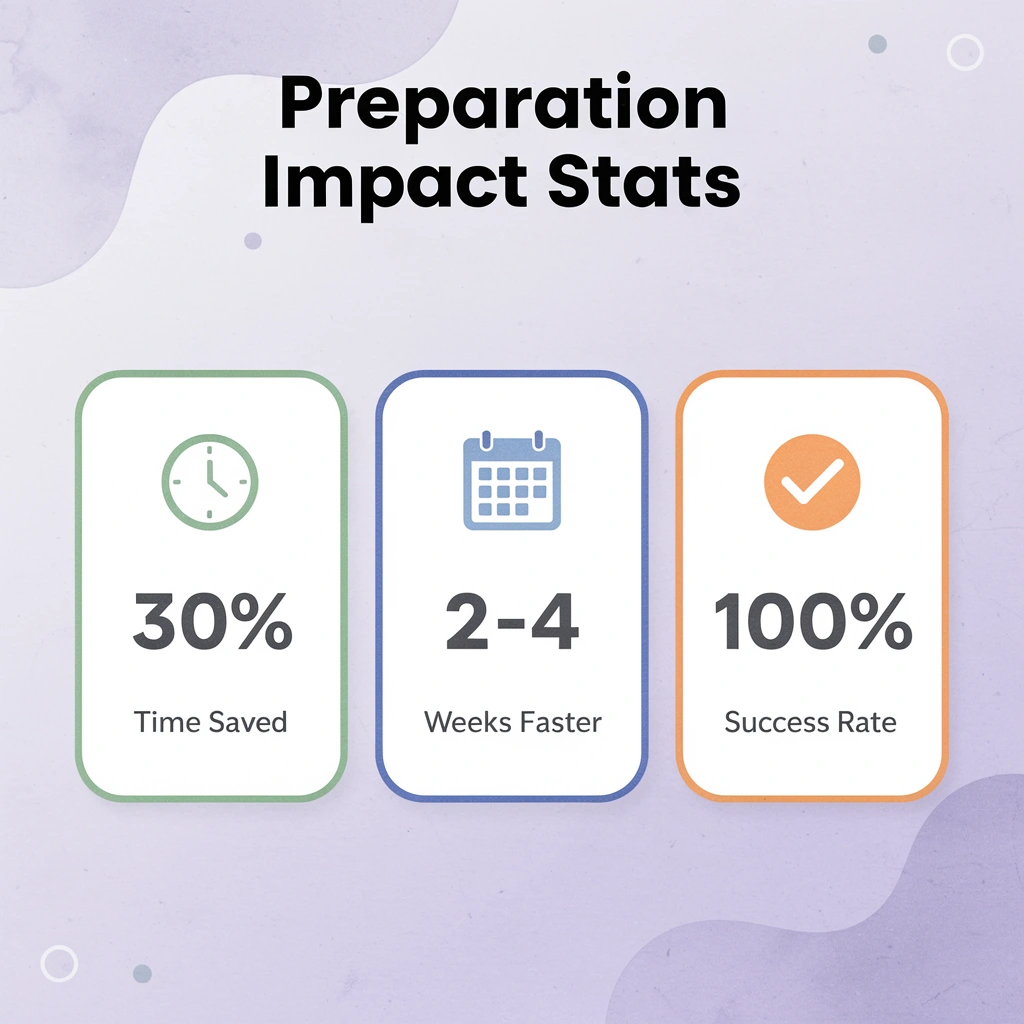
"Proper documentation and organized financial records can reduce bankruptcy processing time by up to 30% and minimize costly delays." — American Bankruptcy Institute, 2023
⚠️ Warning: Incomplete or inconsistent documentation is one of the most common reasons bankruptcy cases face delays or dismissal.
Step 1: Determine Insolvency and Select the Appropriate Chapter
Before filing, confirm the business is insolvent: either it cannot pay debts when due, or total liabilities exceed total assets. Bankruptcy is designed for businesses that cannot meet obligations, not those experiencing temporary cash flow strain.
Which bankruptcy chapter should you choose for your business?
Once insolvency is confirmed, choose between liquidation under Chapter 7 or reorganization under Chapter 11. Chapter 7 involves selling assets and distributing proceeds to creditors in priority order. Chapter 11 requires proposing a repayment plan for creditor approval while the business continues operating.
Make your choice based on whether operations can realistically generate enough revenue to fund restructuring and whether credible recovery potential exists with stakeholder support. If operations are no longer viable, liquidation is the cleaner path.
Step 2: Compile Complete and Accurate Financial Records
Every asset, liability, contract, and obligation must be documented, including current asset valuations, outstanding debts, income statements, cash flow records, payroll obligations, tax filings, and contingent liabilities. Article I, Section 8, of the United States Constitution authorizes Congress to enact uniform Laws on the subject of Bankruptcies, establishing the federal framework that requires these disclosures to be complete and truthful.
Why do incomplete financial records create legal exposure?
Missing information creates legal exposure. Courts and trustees rely on these records to assess creditor claims, evaluate asset distributions, and verify the legitimacy of filings. Incomplete records necessitate amendments, which extend timelines and erode credibility with the court.
How does organizing financial records before filing save time?
Organizing your financial records before filing saves time. Consistent, evidence-based documents reduce questions from trustees and creditors. Incomplete or contradictory records create delays at every gap.
Step 3: Identify and Classify Every Creditor
Every person or company the business owes money to must be listed, along with the correct contact information and the amount owed. Creditors fall into different groups: secured creditors with collateral backing their claim, unsecured creditors without collateral, and priority claims such as certain taxes and employee wages. Placing a creditor in the wrong group affects how much money they receive and when.
What happens if the creditor information is incorrect?
If a creditor is omitted from the list, they may not be bound by the bankruptcy proceedings. If claim amounts are incorrect, the trustee will request corrections. If classifications are inaccurate, the repayment order shifts.
How many creditors do businesses typically have?
Many founders underestimate the number of creditors they have. Vendors, contractors, landlords, lenders, tax authorities, and employees all count. Building this list takes longer than expected, but it only needs to be done once if done correctly.
Step 4: Prepare Required Federal Forms
Bankruptcy filings require multiple federal forms: petition forms identifying the business and chapter, schedules of assets and liabilities, a statement of financial affairs detailing recent transactions, and a creditor matrix with full contact details. Every form must align with your financial records and with each other.
Why is accuracy so critical in bankruptcy forms?
These documents are submitted under penalty of perjury. Mistakes can result in amendments, loss of court credibility, or dismissal of the case. Accuracy matters more than speed; corrections take longer than getting it right the first time.
How do courts use these financial documents?
The forms give the court and creditors a complete financial picture. If numbers don't match up, expect questions. Ensure everything is consistent across all documents before filing.
Step 5: File With the U.S. Bankruptcy Court
Once forms are complete, they are filed with the appropriate bankruptcy court along with required fees. Filing initiates an automatic stay, which stops most collection actions against the business. However, incomplete filings can limit or remove this protection. If creditors challenge the filing based on missing information or inconsistencies, the court may lift the stay or delay protections.
At this stage, the case is formally opened, and a trustee is typically appointed. The trustee oversees the process, reviews filings, ensures the business follows bankruptcy law, and verifies compliance with required procedures.
Step 6: Notify Creditors and Maintain Ongoing Compliance
After filing, creditors must be formally notified. The court handles initial notices, but these depend on the accuracy of your creditor list. If contact information is incorrect or creditors are missing, notifications fail, and the process stalls.
What happens during the meeting of creditors?
A meeting of creditors, often called a 341 meeting, is scheduled. Creditors can attend, ask questions, and review financial disclosures. The business owner or representative must answer truthfully and provide any additional documentation requested by the trustee.
How does the Chapter 11 repayment plan work?
In Chapter 11 cases, a repayment plan must be proposed and approved by creditors and the court. This plan explains how debts will be reorganized and paid over time. If rejected, the business may need to revise it or switch to Chapter 7 liquidation.
Why is ongoing compliance important throughout the process?
Compliance continues throughout the entire process. Trustees may request updated financial information, additional documentation, or clarification on transactions. Responsiveness matters because delays extend the timeline and increase administrative costs.
Why do founders find the bankruptcy process so challenging?
The problem is that each step depends on the accuracy of the previous one. Incomplete financial records produce wrong forms. An incorrect creditor list causes notifications to fail. Mismatched filings slow the process.
Most founders lack training in bankruptcy law and financial documentation. They must navigate a legal process while managing the emotional toll of closing a business, increasing the likelihood of mistakes.
What makes the volume of tasks so overwhelming?
Founders say the experience feels overwhelming because interdependent tasks create constant pressure. One missed detail causes multiple problems; one misclassified creditor delays the entire case.
Platforms like Starcycle help founders manage this complexity by organizing documents, tracking creditor information, and providing step-by-step guidance tailored to their situation. This lets founders focus on completing each step correctly.
What are the long-term consequences of filing errors?
Incomplete or inaccurate filings can have long-lasting consequences. Chapter 7 bankruptcy stays on your credit report for 10 years, making it harder to obtain financing, rent commercial space, or start another business.
Mistakes extend the process and increase costs. Amendments require additional legal work, trustee questions demand answers, and creditor challenges can create disputes, turning what could be a six-month process into a year or longer.
How do delays affect the business closure process?
The emotional toll worsens with each delay and correction, reinforcing the sense that closure will never arrive. Founders seeking an end instead find themselves trapped in a bureaucratic loop that drains energy and resources.
Knowing the steps is only half the equation. Understanding what a properly executed filing should accomplish changes your approach to each one.
What A Clean Bankruptcy Filing Should Achieve
A clean bankruptcy filing controls how the shutdown happens and what comes next. Done right, it produces four results that materially change your position going forward.
🎯 Key Point: A strategic bankruptcy filing isn't just about ending operations—it's about controlling the narrative and protecting your future business opportunities.

"A well-executed bankruptcy filing can be the difference between a clean exit and years of lingering liability." — Business Restructuring Expert

⚠️ Warning: Without a clean filing process, you risk uncontrolled asset seizure, personal liability exposure, and a damaged reputation that follows you to future business endeavors.
Proper Closure of Obligations
Bankruptcy creates a legal system for handling debts. Creditors are identified, grouped, and handled in an organized manner. Informal closures leave problems behind: unpaid claims, disputed amounts, and unresolved contracts. A clean filing replaces that mess with a final resolution.
Reduced Personal Exposure
If filings are incomplete or incorrect, creditors have more room to pursue claims, challenge classifications, or enforce guarantees. According to the United States Courts, total bankruptcy filings rose 11 percent, increasing scrutiny on how obligations are documented. A clean filing narrows risk by ensuring liabilities are properly documented, obligations are handled in the correct order, and legal protections are triggered and upheld.
A Clear Legal Endpoint
Without a structured process, closure takes months. Creditors follow up late, disputes resurface, and obligations remain unclear. A well-executed bankruptcy defines when the process starts, how it progresses, and when it ends, allowing you to move forward without lingering uncertainty.
Preserved Credibility for What Comes Next
Future partners, investors, and employers judge not whether a business failed, but how it was handled. A disorganized collapse signals risk; a structured, transparent wind-down signals discipline. This distinction matters when you raise capital again, launch a new venture, or re-enter the market.
Before filing, everything is reactive: decisions made under pressure, incomplete information, and creditors acting independently. After a clean filing, the process becomes structured: complete information, obligations handled in a defined order, and a known path to closure. The real benchmark is control, not speed or avoidance.
How Starcycle Helps You File And Close With Clarity
Having control only matters if you know how to use it. The problem isn't recognizing that bankruptcy is necessary; it's executing the process without creating new problems. Most founders underestimate how many small errors, gaps, and misalignments can turn a clean filing into a drawn-out ordeal.

🎯 Key Point: Starcycle's platform eliminates the guesswork from bankruptcy filing by providing step-by-step guidance that prevents costly mistakes before they happen.
"Execution errors during bankruptcy filing can extend the process by months and increase costs by 30-50%." — Bankruptcy Legal Research Institute, 2023
💡 Best Practice: Starcycle transforms the complex bankruptcy process into manageable workflows that ensure compliance, accuracy, and speed—giving founders the clarity they need to close one chapter and confidently begin the next.
What causes bankruptcy filing failures?
Bankruptcy filing failures follow predictable patterns: missing creditors, incomplete asset documentation, and mismatched forms. Each gap delays the process, requires amendments, and adds cost. The root cause is a lack of structure. Manual filing—assembling records from spreadsheets, bank statements, and email threads—invites omissions. By the time problems surface, you're already mid-process, reacting instead of preparing.
How does Starcycle prevent these problems?
Starcycle removes those gaps before they become problems. Instead of assembling the filing yourself, you work through a system that mirrors how bankruptcy unfolds. Financial data is organized into a filing-ready structure. Liabilities and creditors are captured completely, reducing dispute risk. Documents are arranged in the order required by the process. The focus is accuracy: getting it right the first time means fewer amendments, less back-and-forth, and a predictable timeline.
What changes when the process is structured
When you file without a clear system, problems emerge after submission: a forgotten creditor, miscategorized liability, or a missing document that triggers court requests. Each one extends the timeline and adds friction. A structured approach moves forward without interruption. You follow a defined path, addressing each requirement in sequence rather than reacting to gaps.
How does structure reduce filing stress and uncertainty?
The difference between a clean filing and a messy one is not the outcome, but the uncertainty, delay, and stress you carry through the process. A structured approach reduces all three, giving you control over the timeline, visibility into requirements, and confidence that nothing critical was missed.
When should you implement a structured approach?
But structure works only if you start before things get too stressful.
Related Reading
- Liquidation Vs Bankruptcy
- Close Corporation Taxation
- Llc Termination Vs Dissolution
- Company Liquidation Process
- Startup Shutdown
- How Much Does It Cost To Close an LLC
- How To Tell Investors That You're Shutting Down
- How To Dissolve A Partnership With The Irs
- Dissolving In Europe
- Dissolving In Canada
Sign up to Make your Business Closure Process Easier
Sign up to get a quote, and in your first session, you will receive a filing readiness checklist tailored to your business, including missing documents, liability gaps, and the exact next steps required to file correctly. This closes deals with minimal friction, uncertainty, and wasted time.

🎯 Key Point: A comprehensive filing readiness checklist eliminates guesswork and prevents costly amendments during the closure process.
Platforms like Starcycle bring together financial records, liability documentation, and contract obligations into an organized system that mirrors what courts and trustees actually require. Instead of putting files together reactively as questions come up, you work from a framework that identifies what is missing before you submit anything. The difference is the gap between filing once cleanly and filing multiple amendments because critical creditors or obligations were overlooked.
"The difference between a smooth business closure and a prolonged nightmare often comes down to having the right documentation organized from day one." — Business Closure Specialists
💡 Tip: Address all required documentation upfront to avoid the stress and expense of filing multiple amendments later.
Closing well lets you finish with clarity and move forward without the weight of unresolved loose ends. The faster you address what is required, the sooner you can start fresh.