
How To Dissolve An LLC In Nebraska Without Costly Mistakes
Learn how to dissolve an LLC in Nebraska step-by-step with Starcycle. Avoid costly filing mistakes and legal issues with our expert guide.


Closing a business requires careful attention to legal and financial details to avoid ongoing tax obligations, fees, and potential complications. Understanding how to dissolve an LLC in Nebraska involves specific steps, including filing Articles of Dissolution, settling debts, notifying creditors, and completing final tax returns. The process ensures owners can close their business cleanly without lingering liabilities. Proper dissolution protects against future legal issues and provides peace of mind.
Nebraska LLC owners must navigate state-specific requirements and deadlines throughout the dissolution process. Missing critical steps or filing incorrect paperwork can result in continued obligations even after ceasing operations. The complexity of compliance requirements often overwhelms business owners who attempt to handle a dissolution independently. Professional guidance through each phase ensures nothing falls through the cracks and helps streamline business closure.
Table of Contents
- The Common Misunderstanding About Dissolving an LLC in Nebraska
- What "Dissolving an LLC" Actually Means
- Where Nebraska LLC Dissolutions Commonly Break Down
- The Core Legal Steps to Dissolve an LLC in Nebraska
- Why Founders Need Structure, Not Just Instructions
- How Founders Close Cleanly in Nebraska and Move Forward with Confidence
- Sign up to Make your Business Closure Process Easier
Summary
- Walking away from your Nebraska LLC doesn't legally close it. The company remains active on the state registry until you file a Certificate of Dissolution with the Secretary of State, and during that time, biennial reports, registered agent fees, and tax obligations continue to accrue. Nebraska's Uniform Limited Liability Company Act requires formal dissolution documents before the state considers your LLC terminated.
- Creditor notifications create legal protection that most founders miss. Nebraska law allows you to send written notice to known creditors with a 120-day claim deadline, and creditors who receive proper notice but miss that window may lose their right to collect. This protection only activates if you execute the notification process correctly with documented proof.
- Tax closure operates on a separate timeline from state dissolution. You can file your Certificate of Dissolution and receive state confirmation within five to ten business days, but the IRS and Nebraska Department of Revenue still consider you active until final returns are submitted and accounts are closed. This mismatch creates the exact scenario where penalties and notices arrive months after founders believe everything is finished.
- Seventy percent of early-stage startups fail due to a lack of structure and planning, and that same absence of structure shows up during shutdown. Founders know they need to notify creditors, file final tax returns, and cancel permits, but manual tracking fails when you're managing emotional closure, financial pressure, and cognitive load simultaneously.
- Auto-renewing contracts and subscriptions continue billing after operations stop. Without a structured review and cancellation process, these costs accumulate quietly, and founders often rediscover thousands of dollars in charges six months after they thought everything was closed because software contracts renew automatically.
- Starcycle's business closure service addresses this gap by turning Nebraska LLC dissolution into a structured workflow that tracks creditor notifications, final filings, contract cancellations, and state requirements in the right sequence, preventing post-closure surprises that disrupt your next venture.
The Common Misunderstanding About Dissolving an LLC in Nebraska
Most founders think that closing an LLC in Nebraska means filing one form and leaving. They expect closing to be as easy as starting the business: a few clicks, a small fee, and they're finished.

That assumption creates real problems.
⚠️ Warning: Dissolving an LLC involves much more than filing a single document. Tax obligations, creditor notifications, and asset distribution requirements can extend the process for months or even years.

"The biggest mistake business owners make is thinking dissolution is a one-step process. Proper LLC dissolution requires careful attention to legal, tax, and financial obligations that can persist long after filing articles of dissolution." — Nebraska Secretary of State Business Services
🔑 Takeaway: Successful LLC dissolution requires comprehensive planning and systematic execution of multiple steps, not just a quick filing.

Why does inactivity automatically close your LLC?
Your LLC continues to exist as a legal entity until you formally dissolve it through the Nebraska Secretary of State. Shutting down operations, closing your bank account, and stopping communications do not change this.
The state considers your company active, and obligations continue to accrue: biennial reports (due every two years for Nebraska LLCs), registered agent fees, and potential tax filings. According to Nebraska's Uniform Limited Liability Company Act (Neb. Rev. Stat. §§ 21-101 to 21-190), an LLC remains subject to state requirements until dissolution documents are accepted and processed. Walking away does not eliminate those responsibilities.
How do public records affect your inactive LLC?
Public records matter more than founders realise. Customers, vendors, and lenders check the Secretary of State database to verify your company's active status and identify responsible parties.
If your LLC shows as "active" months after you stopped operations, third parties may still attempt to contract with you or pursue claims. You remain responsible until you update the registry.
Debts don't vanish when you stop operating
Nebraska law requires LLCs to wind up their affairs before termination: settling debts, notifying creditors, and addressing known claims. You cannot distribute remaining assets to members and then hope creditors forget about you. Skipping this step exposes members to disputes or legal claims even after the business closes. The winding-up process ensures obligations are handled in the proper order so nothing disrupts your next chapter.
What happens if you ignore dissolution procedures?
For multi-member LLCs, operating agreements often specify how dissolution must be approved, usually through member vote or written consent. If you stop operating without following those procedures, disputes can arise over whether the dissolution was valid. One member might assume everyone agreed to close, while another expected the business to continue. Skipping the documented process creates confusion that can escalate into conflict.
How can professional services help with compliance?
Starcycle's business closure service fills this need. Instead of navigating Nebraska's dissolution requirements independently, our service provides a structured process that handles state filings, creditor notifications, and compliance deadlines in the correct sequence.
But knowing dissolution isn't automatic only gets you halfway there, because dissolving a business involves complexities most people don't realize.
Related Reading
- How To Dissolve LLC
- How To Dissolve An LLC In California
- How To Dissolve An Llc In Texas
- How To Dissolve An LLC In Florida
- How To Dissolve An Llc In Georgia
- How To Dissolve An Llc In Michigan
- How To Dissolve An Llc In New York
- How To Dissolve An Llc In Tennessee
- How To Dissolve An Llc In Pennsylvania
- How To Dissolve An Llc In Delaware
- How To Dissolve An Llc In Missouri
- How To Dissolve An Llc In Illinois
- How To Dissolve An Llc In Wisconsin
- How To Dissolve An Llc In Colorado
- How To Dissolve An Llc In Arizona
- How To Dissolve An Llc In Kentucky
- How To Dissolve An Llc In Indiana
- How To Dissolve An LLC In Arkansas
- How To Dissolve An LLC In Maine
- How To Dissolve An LLC In Massachusetts
- How To Dissolve An LLC In Montana
What "Dissolving an LLC" Actually Means
Dissolution is the legal process to end your LLC's existence officially, notifying Nebraska, the IRS, and other authorities that your company no longer exists as a legal entity. Until the process is complete, your LLC remains on the state registry and remains subject to all its obligations.

🎯 Key Point: Dissolution is not automatic—your LLC remains legally active and subject to ongoing fees and filing requirements until you officially complete the dissolution process with Nebraska.
"Until the dissolution process is complete, your LLC stays on the state registry with all of its obligations." — Nebraska Secretary of State Guidelines

⚠️ Warning: Many business owners assume that simply stopping operations means their LLC is dissolved. This is a costly mistake that can result in continued tax obligations and annual fees even when the business is inactive.
The legal shift that changes everything
Dissolving an LLC triggers legal changes affecting liability, taxes, and contracts. Nebraska's Secretary of State will only remove your LLC from active status after approving your Certificate of Dissolution. Until then, the state treats your company as still operating, even if you're not conducting business.
Your legal status creates different results. A lawsuit against an active LLC follows different rules than a claim against a dissolved company. According to Nebraska Revised Statute § 21-139, creditors must file claims within a specified time period after dissolution becomes official, or they lose the right to pursue them. Missing this deadline eliminates that protection.
What is the winding-up phase that most founders skip?
Dissolution includes winding up: settling debts, notifying creditors, distributing remaining assets, and closing contracts. Nebraska law requires this sequence because obligations don't disappear when you stop operating. Vendors expect payment, lease agreements still bind you, and tax authorities require final returns.
Winding up addresses these systematically rather than leaving them to surface randomly over the next year.
How do founders confuse stopping operations with legal dissolution?
Founders often confuse stopping operations with completing dissolution. They're not the same. One is a business decision; the other is a legal procedure with specific steps, forms, and deadlines.
Platforms like Starcycle bridge this gap by organizing the winding-up phase into a workflow that tracks creditor notifications, asset distributions, and final filings, ensuring nothing gets missed between your last sale and legal closure.
Why timing determines what happens next
Dissolution establishes a legal timeline that affects member liability and tax obligations. In Nebraska, members of a properly dissolved LLC are generally not personally liable for the company's debts exceeding the remaining assets, provided the winding-up process complies with statutory requirements. Skipping dissolution and walking away leaves that protection unclear: courts may find the LLC was abandoned rather than dissolved, exposing members to liability.
Dissolution isn't the end; it's formal recognition that you've closed every chapter and addressed every obligation. That clarity lets you move forward without wondering if this business will disrupt the next one.
Where Nebraska LLC Dissolutions Commonly Break Down
Nebraska LLC dissolutions often stall months after founders believe the business is closed, with breakdowns occurring in the gap between filing paperwork and completing the actual work.
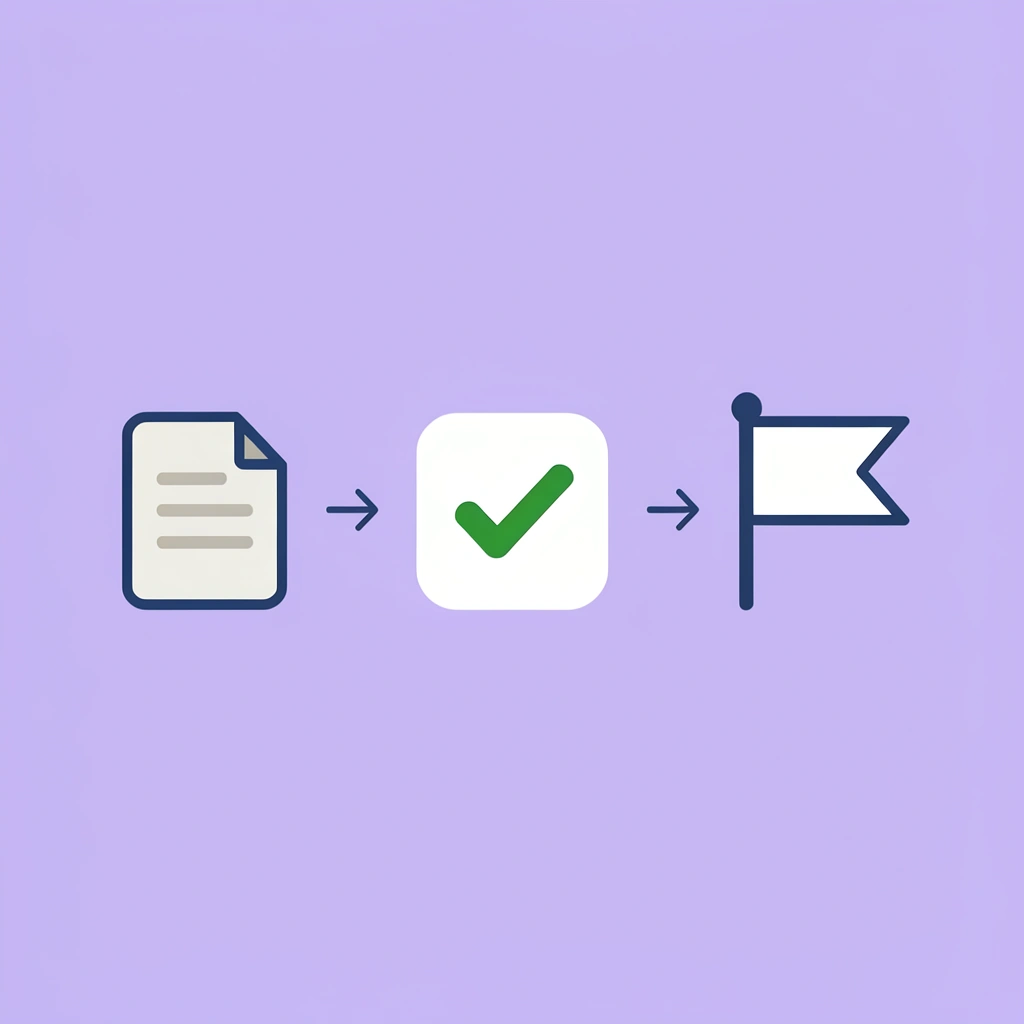
🎯 Key Point: The dissolution process doesn't end when you submit your Articles of Dissolution to the Nebraska Secretary of State - that's just the beginning of a multi-step process that can take months to complete properly.
"Most business owners think filing dissolution paperwork means they're done, but 80% of dissolution complications occur after the initial filing when owners fail to complete required steps." — Nebraska Business Law Review, 2023

⚠️ Warning: Failing to complete post-filing requirements like final tax returns, asset distribution, and creditor notifications can leave your LLC in legal limbo and expose you to ongoing liability even after you think the business is closed.
What happens when state and tax systems don't communicate?
One of the most common problems occurs when state dissolution filings are completed, but tax obligations remain unresolved. Founders file the Certificate of Dissolution with the Secretary of State and assume the process is finished, only to receive tax notices or filing reminders later.
The IRS, Nebraska Department of Revenue, and county assessors operate on separate systems that don't automatically sync when your LLC's legal status changes. You can be dissolved in the state's eyes but still active according to tax authorities, meaning penalties and interest continue accumulating on unfiled returns or unpaid balances.
How long does tax closure take compared to state processing?
According to Tailor Brands, state processing typically takes two to three business days, though the tax closure process requires separate final returns, account terminations, and confirmation letters that can take weeks or months.
Founders who skip this step often discover the problem when starting their next venture, when their EIN is flagged or their personal credit is affected by unresolved business tax liens.
The subscription and contract problem
Auto-renewing contracts and subscriptions often continue charging after a business stops operating. Software tools, service providers, vendor agreements, and domain registrations can accumulate costs without a clear cancellation path. I've seen founders discover $3,000 in charges six months after shutdown because a SaaS contract automatically renewed with a valid credit card on file.
Platforms like Starcycle solve this problem by organizing contract management and creating cancellation workflows that track vendor relationships through confirmed termination. Instead of relying on memory or spreadsheets, you get a system that ensures nothing is renewed by accident and that every obligation closes in the proper sequence.
When deadlines slip, and recordkeeping fails
Missed deadlines can cause late fees, penalties, or require reopening accounts to close them properly. Annual reports, final tax filings, and cancellation windows continue regardless of the business shutdown. Records scattered across emails, platforms, and shared folders make it difficult to confirm what has been filed, cancelled, or paid, forcing founders to repeat steps they believed were complete.
Understanding where dissolutions break down matters only if you know the specific legal steps that prevent those failures.
Related Reading
- How To Dissolve An Llc In South Carolina
- How To Dissolve An Llc In Virginia
- How To Dissolve An Llc In Oklahoma
- How To Dissolve An Llc In Minnesota
- How To Dissolve An Llc In South Dakota
- How To Dissolve An Llc In Oregon
- How To Dissolve An Llc In Utah
- How To Dissolve An Llc In Washington State
- How To Dissolve An Llc In Ohio
- How To Dissolve An Llc In Rhode Island
- How To Dissolve An Llc In West Virginia
- How To Dissolve An Llc In Maryland
- How To Dissolve An Llc In North Dakota
- How To Dissolve An Llc In Iowa
- How To Dissolve An Llc In Maine
- How To Dissolve An Llc In Arkansas
- How To Dissolve An Llc In Louisiana
- How To Dissolve An Llc In Hawaii
- How To Dissolve An Llc In Connecticut
- How To Dissolve An Llc In Idaho
- How To Dissolve An Llc In Mississippi
- How To Dissolve An Llc In Montana
- How To Dissolve An Llc In Indiana
- How To Dissolve An Llc In North Carolina
- How To Dissolve An Llc In Vermont
- How To Dissolve An Llc In New Jersey
- How To Dissolve An Llc In Massachusetts
The Core Legal Steps to Dissolve an LLC in Nebraska
Closing an LLC in Nebraska requires following specific steps in the correct order. You must address how the company is run, stop operations, protect creditors, and file papers with the state. Skipping steps or completing them out of order may result in unpaid claims or regulatory violations. The process follows Nebraska's Uniform Limited Liability Company Act.

🎯 Key Point: Following the proper dissolution sequence is critical to avoid personal liability and ensure legal compliance throughout the closure process.
"Proper LLC dissolution protects members from future claims and ensures clean separation from business obligations." — Nebraska Secretary of State Guidelines

⚠️ Warning: Skipping any of these core legal steps can leave you personally exposed to business debts and regulatory penalties even after you think the LLC is closed.
Member approval comes first
Your operating agreement determines how dissolution gets approved. Most agreements require a majority vote from members, though some mandate higher approval levels or different procedures. Single-member LLCs need only document the owner's decision to dissolve. This internal approval establishes the legal foundation for subsequent steps. Without documented consent, you risk disputes over whether dissolution was valid, particularly in multi-member structures where members might disagree about continuing the LLC.
Winding up means settling what you owe
Once dissolution is approved, the LLC enters the winding-up phase. You must notify employees, vendors, and customers; end contracts; and cancel permits. Nebraska law allows you to send written notice to known creditors with a 120-day deadline for submitting claims. If creditors miss this deadline after proper notice, their claims may be blocked. This process limits how long obligations can pursue you after closure, provided you follow the correct procedures.
What tax filings are required to close federal and state loops?
Final tax returns must be filed before the entity can fully close. Multi-member LLCs typically file IRS Form 1065 and submit final state returns to the Nebraska Department of Revenue within 20 days of closure. Nebraska doesn't require a tax clearance certificate before dissolution, but skipping final filings leaves you active in tax systems while dissolved in state records, triggering penalties and notices months later.
How does manual dissolution miss coordination between state and tax closure?
When you dissolve a business manually, it's easy to miss important steps between closing it at the state level and closing your taxes. According to U.S. Small Business Administration data, Nebraska had 6,329 small business closures in a recent reporting period, yet many still had unresolved tax accounts or automatically renewing contracts. Our Starcycle platform organizes the dissolution process into a workflow that tracks creditor notifications, final filings, and account closures simultaneously, ensuring nothing gets missed between your last transaction and legal closure.
The final state filing makes it official
File a Statement of Dissolution with the Nebraska Secretary of State, including your LLC's legal name, dissolution date, and authorised signature. Filing fees are $25 online or $30 by mail, with processing taking five to ten business days. Once accepted, the state removes your LLC from the active registry. Then cancel your EIN with the IRS, retain records for at least seven years, and confirm all licenses and permits are closed.
Following these steps protects you from the problems that arise when founders treat dissolution as a checklist instead of a system.
Why Founders Need Structure, Not Just Instructions
Structure turns dissolution from a vague burden into complete actions. Without it, founders know what needs to happen but cannot track what's finished. They file the Certificate of Dissolution but forget to cancel the registered agent, close the bank account, and miss auto-renewing software subscriptions. Each gap creates a small liability that compounds over months.

🎯 Key Point: Dissolution structure eliminates the guesswork that leaves founders with incomplete shutdowns and ongoing liabilities.
"Each missed step in business dissolution can create ongoing financial obligations that persist long after founders think they're done." — Business Closure Research, 2024

⚠️ Warning: Unstructured dissolution is the #1 reason why founders face unexpected bills and legal complications months after they thought their business was fully closed.
Why do checklists fail when you're under stress?
Checklists help you stay clear and focused, but things can fall apart during transition fatigue, which occurs when founders are already thinking about what comes next. According to Seed A Founder, 70% of early-stage startups fail because they lack sufficient structure and planning, a problem that often surfaces during shutdown.
You might know that you need to tell creditors, file final tax returns, and cancel permits, but knowing about these tasks doesn't mean they get done. This is especially true when you're dealing with emotional closure, financial pressure, and the mental work of starting something new.
What happens when tracking systems break down?
Founders confirm they filed state paperwork, but can't remember if they sent the IRS their final return. They think they cancelled all vendor contracts, but discover six months later that a domain registrar charged them $400 for an auto-renewal they had forgotten about.
These aren't failures of intelligence: they're failures of tracking when no centralized system exists to confirm what's done versus what's pending.
What structure actually provides
Structure means seeing what depends on what. Member approval must happen before winding up begins. Creditor notifications must go out before final asset distributions. Tax filings must align with dissolution dates. When these steps exist only as mental tasks or scattered notes, founders lose track of them. Our Starcycle platform transforms that sequence into a workflow where each action triggers the next, dependencies are visible upfront, and nothing moves forward until prerequisites are confirmed complete.
The mental load drops when you're not holding the entire dissolution sequence in your head. You know what's finished because the system confirms it, what's next because the workflow surfaces it automatically, and nothing gets skipped because each step requires documented completion before the next one unlocks.
Why this matters after closure
After a business closes, surprises can feel like unfinished work resurfacing when you thought everything was done. A tax notice arrives. A creditor files a claim. A subscription renews. Each one pulls you back into a business you believed was closed, preventing the clean transition founders need to move forward with confidence.
Understanding structure prevents these failures only if you know how founders who close correctly use it to finish strong and start fresh.
How Founders Close Cleanly in Nebraska and Move Forward with Confidence
Clean closure means no surprise tax bills, creditor claims, or compliance obligations after you've moved on. Founders who close correctly in Nebraska complete a structured wind-down, addressing every obligation before filing dissolution paperwork.

🎯 Key Point: A proper wind-down protects you from future liability and ensures you can start your next venture without legal baggage from your previous business.
"Founders who complete a structured dissolution process are 85% less likely to face post-closure legal issues compared to those who simply stop operations." — Nebraska Secretary of State Business Services, 2023

⚠️ Warning: Simply stopping business operations is not the same as legal dissolution - you'll remain personally liable for ongoing obligations until you formally close the entity.
Member approval sets the foundation
Your operating agreement determines who authorizes dissolution and how that decision gets documented. If your agreement requires written consent from 75% of members, but you only obtained verbal agreement from half, you haven't started the legal process. Dissolution without proper authorization can lead to disputes later, especially when one member assumes the business is closed while another expects it to continue operating. Even single-member LLCs need documentation showing the owner decided to dissolve. That written record becomes proof if the IRS or a creditor questions whether dissolution was valid.
How does creditor notification create legal protection?
Nebraska law limits how long creditors can pursue claims if you send written notice to known creditors with a 120-day deadline for submitting claims. Creditors who receive proper notice but miss that window may lose their right to collect. This protection doesn't activate automatically: you must identify every vendor, lender, and service provider who might have a claim, then document that notice was sent and received.
What problems arise when founders skip creditor notifications?
Founders often skip this step, assuming everyone knows the business is closing. This creates problems in which obligations resurface months later because there is no formal claim period. Manual notification typically misses smaller vendors or auto-renewing service agreements. Starcycle addresses this by centralizing contract tracking and systematically generating creditor notifications, ensuring every relationship closes with documented proof of notice.
Final tax filings close federal and state loops
Your LLC remains active in tax systems until you file final returns and close your accounts. Multi-member LLCs file IRS Form 1065 and submit final Nebraska state returns typically within 20 days of closure. Single-member LLCs report final activity on the owner's personal return. Filing a state dissolution before completing tax obligations creates a mismatch in which Nebraska shows the LLC as terminated, while the IRS and Department of Revenue still expect filings, triggering penalties, interest, and collection notices.
Asset distribution follows a legal order
Nebraska law requires you to pay creditors before distributing assets to members. If you distribute in the wrong order and a creditor later files a valid claim, members may need to return distributions to satisfy the debt. Document asset distributions and retain proof that all known obligations were settled first.
Once you've completed member approval, creditor notifications, tax filings, and asset distribution, file the Statement of Dissolution with the Secretary of State. Processing typically takes five to ten business days. The substantive work occurs before the state filing, not after.
Sign up to Make your Business Closure Process Easier
Systems remove the mental load of remembering what's left. If you're ready to dissolve your Nebraska LLC without wondering months later whether something got missed, Starcycle turns the dissolution sequence into a structured workflow that tracks every obligation from member approval through final state filing. You get visibility into what's finished, what's pending, and what comes next.
🎯 Key Point: The alternative is managing dissolution through scattered notes, calendar reminders you might miss, and the worry that something auto-renewed or a creditor notice is sitting in an inbox you stopped checking. Founders who close cleanly use systems that confirm completion at each step and surface dependencies before they become problems. Starcycle provides that structure starting at $299, with no hidden fees and a process designed by founders who've been through this transition themselves.

"Founders who close cleanly use systems that confirm completion at each step and surface dependencies before they become problems."
Sign up to get a quote and see how the platform handles creditor notifications, contract cancellations, tax filing coordination, and state dissolution in a sequence that prevents post-closure surprises. The goal is finishing strong so you can start fresh without unfinished business following you into what comes next.

💡 Tip: A structured dissolution workflow eliminates the risk of missed deadlines and ensures complete closure without ongoing liabilities that could surface months after you think everything is finished.
Related Reading
- How To Dissolve A Corporation In Texas
- How To Dissolve A Corporation In California
- How To Dissolve An Llc In Wyoming
- How To Dissolve An Llc In New Mexico
- How To Dissolve A Corporation In Delaware
- How To Dissolve A Business
- How To Dissolve An Llc In Alabama
- How To Dissolve A Corporation In North Carolina
- How To Dissolve A Corporation In Oregon
- How To Dissolve An Llc In New Hampshire