
How To Dissolve An LLC In Washington State in 5 Simple Steps
Learn how to dissolve an LLC in Washington State with Starcycle's 5-step guide. Get forms, fees, and deadlines to close your business legally.


Closing a Washington State LLC requires more than simply stopping business operations. Proper dissolution protects owners from ongoing tax obligations and legal complications by ensuring all state requirements are met, debts are settled, and creditors are properly notified.
The dissolution process involves filing articles of dissolution with the Secretary of State, handling final tax returns with the Department of Revenue, and completing various compliance requirements within specific deadlines. Business owners who want to avoid missing critical steps or leaving loose ends can streamline their business closure process with professional guidance.
Summary
- Dissolving an LLC in Washington State isn't complete when you file paperwork with the Secretary of State. It starts a legally required winding-up period during which the company remains active, creditors retain claim rights for 90 days with proper notice or up to 3 years without it, and you must settle debts, liquidate assets, and distribute funds in accordance with statutory priorities. The Certificate of Dissolution begins the process, but doesn't dissolve the entity until all obligations are satisfied.
- Tax obligations operate independently of state dissolution filings. The Washington Department of Revenue doesn't monitor Secretary of State filings, meaning your Unified Business Identifier account, business licenses, and tax reporting requirements continue generating obligations until you explicitly close each one. According to 2024 compliance data, roughly 40% of dissolved LLCs receive penalty notices within 18 months because founders assumed that state filing completed their tax obligations, even though each agency requires separate notification.
- Auto-renewing contracts and subscriptions don't pause when operations stop. Without centralized tracking of vendor agreements, software subscriptions, domain registrations, and service contracts, these obligations continue to be billed through dissolution. Most founders don't maintain a single list of recurring commitments, so contracts scattered across email confirmations and financial records accumulate charges for months after the business mentally closed, extending both costs and administrative burden.
- Multi-member LLCs require documented approval for dissolution, consistent with the operating agreement or Washington's statutory defaults under RCW 25.15.265. Verbal agreements create legal exposure when asset distribution disputes surface months later, especially if members become unreachable or memories conflict about what was decided. The law requires formal consent because it protects all parties when circumstances change, and the stakes feel higher after operations cease.
- Record retention obligations persist for at least five years after dissolution to address potential audits, legal inquiries, or creditor claims. The IRS can audit returns for 3 years after filing, or longer in cases of suspected fraud or substantial underreporting. Destroying documents immediately after filing creates problems if questions arise, leaving you unable to defend positions or prove compliance when challenged by agencies that don't recognize good intentions as documentation.
- Verification replaces assumption in clean closure. Founders who move forward confidently collect confirmation for every closure action, from UBI account termination to creditor notifications to contract cancellations, creating an audit trail that proves completion rather than relying on memory about what was submitted. Without this documentation, you can't distinguish between completing a task and the system actually processing it, leaving you uncertain whether dissolution was truly completed or if loose ends remain that will resurface as penalties.
- Starcycle business closure addresses this coordination challenge by organizing dissolution tasks, tracking agency-specific deadlines, and centralizing documents needed to prove closure across disconnected systems, helping founders compress wind-down timelines from months to weeks.
The Common Misunderstanding About Dissolving an LLC in Washington State
Most business owners mistakenly believe that dissolving an LLC in Washington State is more than just filling out a form. Dissolution initiates a structured legal process under Chapter 25.15 RCW, designed to protect creditors, members, and the public through an organized wind-down. Simply deciding to stop operating doesn't end the company's legal status or responsibilities.
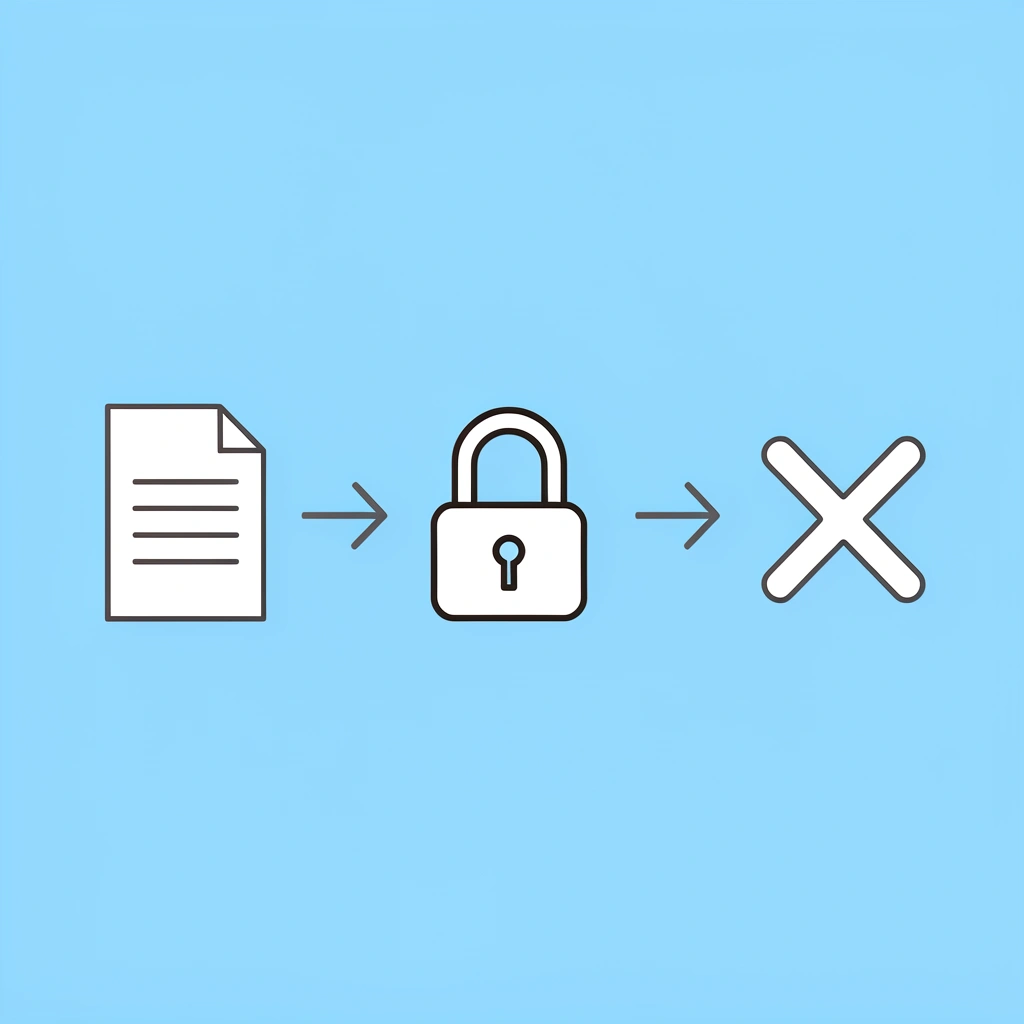
Key Point: Dissolution is not the same as simply closing your doors - it's a formal legal process that must be completed properly to avoid ongoing liability and obligations.
Warning: Failing to properly dissolve your LLC can leave you exposed to continued tax obligations, regulatory penalties, and potential personal liability for business debts.

"Simply deciding to stop operating doesn't end the company's legal status or its responsibilities under Washington State law." — Washington Secretary of State Business Guidelines
What happens after filing the Certificate of Dissolution?
Filing a Certificate of Dissolution with the Washington Secretary of State doesn't immediately close your LLC. It starts a winding-up period during which you must pay off debts, fulfill contractual obligations, collect money owed to you, and distribute the remaining assets in accordance with your operating agreement and state law. During this time, your LLC stays in dissolved status, and creditors retain their right to file claims. Skipping these steps exposes you to personal liability even with the LLC's limited liability protections.
The tax trap nobody mentions
Dissolving with the Secretary of State doesn't automatically close your tax accounts or cancel business licenses. You must file final tax returns with the Washington Department of Revenue, close your Unified Business Identifier (UBI) account, and terminate city and county business licenses. Our Starcycle business closure workflow can help guide you through these administrative steps.
Why do dissolved LLCs still receive penalty notices?
According to 2024 compliance data, 40% of dissolved LLCs receive penalty notices within 18 months because founders mistakenly believe that state filing completes their tax responsibilities. Each agency operates independently, and failing to notify them means you remain responsible for yearly renewals, late fees, and potential franchise tax assessments, even after your business ceases operations.
How does managing multiple jurisdictions complicate dissolution?
Managing multiple states for a business becomes complicated when moving an LLC. One founder learned this when transferring an LLC from Oklahoma to Washington. Oklahoma doesn't allow domestication, which meant the company had to dissolve and restart. This process required working with government offices simultaneously, including the Secretary of State, Department of Revenue, and Labor and Industries. The founder also had to keep a registered agent active in both states until the old business was fully closed. The biggest challenge was understanding which government agency needed specific information and in what order to prevent unresolved legal or financial issues.
What happens when LLC members disagree on dissolution?
Internal governance adds another layer that most founders miss. If your LLC has multiple members, dissolving the business requires approval that matches your operating agreement or Washington's standard legal default rules under RCW 25.15.265.
Skipping formal approval steps creates legal risks, especially if business assets remain or liabilities emerge after operations end. Conflicts can quickly arise over asset distribution when members assume a verbal agreement is sufficient, while the law requires documented approval to protect all parties involved.
How can you manage the emotional and technical challenges?
The emotional stress of closure can make technical requirements feel overwhelming. You're dealing with the pressure of ending something you built while navigating legal statutes, filing deadlines, and multi-agency coordination.
Treating dissolution as more than a simple checklist prevents loose ends that can later become penalties or unresolved liabilities. Washington State's framework is designed to ensure an orderly exit that protects creditors, employees, and co-owners, not to punish founders.
Platforms like Starcycle handle coordination by creating customized action plans that sequence filings across agencies, track compliance deadlines, and organize documents needed to close tax accounts and resolve contracts. The Starcycle platform reduces founders' wind-down timeline from months to weeks by streamlining the complex closure process.
Why doesn't closing your bank account dissolve your LLC?
Closing your business bank account doesn't automatically end your LLC. Legally, your entity remains dissolved until the full winding-up process is complete.
During this period, you must address potential claims, maintain statutory records, and fulfill reporting requirements. Prematurely closing accounts can complicate wind-down by making it difficult to pay final bills, distribute remaining funds, or respond to unexpected creditor claims.
What protections exist during the dissolution process?
Washington's business dissolution framework prioritizes stakeholder protection over founder convenience. This structure exists because closing a business impacts more than the owner.
Creditors need time to file claims, members need legal guarantees about asset distribution, and tax agencies require confirmation that all financial obligations are settled. Rushing through dissolution or misunderstanding the rules creates more complicated problems later.
Related Reading
- How To Dissolve LLC
- How To Dissolve An LLC In California
- How To Dissolve An Llc In Texas
- How To Dissolve An LLC In Florida
- How To Dissolve An Llc In Georgia
- How To Dissolve An Llc In Michigan
- How To Dissolve An Llc In New York
- How To Dissolve An Llc In Tennessee
- How To Dissolve An Llc In Pennsylvania
- How To Dissolve An Llc In Delaware
- How To Dissolve An Llc In Missouri
- How To Dissolve An Llc In Illinois
- How To Dissolve An Llc In Wisconsin
- How To Dissolve An Llc In Colorado
- How To Dissolve An Llc In Arizona
- How To Dissolve An Llc In Kentucky
- How To Dissolve An Llc In Indiana
- How To Dissolve An LLC In Arkansas
- How To Dissolve An LLC In Maine
- How To Dissolve An LLC In Massachusetts
- How To Dissolve An LLC In Montana
What "Dissolving an LLC" Actually Means
Dissolving an LLC isn't a single action; it's a sequence of legal steps that formally end the company's existence. This process involves resolving obligations with government agencies and wrapping up relationships with creditors, vendors, and members. Each stage is connected, and skipping or changing steps can create legal vulnerabilities.

When dissolving an LLC in Washington State, you enter a legally defined winding-up phase where the company still exists but operates under different rules. During this transition, the LLC remains a recognized entity that can be sued, respond to claims, and maintain records.
What happens when you file the Certificate of Dissolution?
Filing the Certificate of Dissolution with the Washington Secretary of State initiates a critical legal process. This document signals your intent to close, triggering a statutory window for creditors to file claims: typically 90 days from written notice or up to three years if no direct notification occurs under RCW 25.15.295. During this period, you must settle debts, liquidate assets, and distribute remaining funds according to your operating agreement and Washington law.
What are the risks of skipping creditor notification?
Skipping the creditor notification process extends your legal exposure indefinitely. A forgotten vendor or unresolved contractor can show up years later with a valid claim because you never officially closed the business. The winding-up period creates finality only when used correctly: ignoring it doesn't eliminate obligations; it leaves them unresolved and legally enforceable.
What tax obligations continue after filing dissolution paperwork?
Dissolving your business with the Secretary of State does not automatically inform the Washington Department of Revenue, IRS, or local licensing agencies. Each organization requires separate notification about your business closure. You must file a final excise tax return, close your Unified Business Identifier account, and submit final federal and state tax returns showing the dissolution date.
If you skip these steps, you may continue receiving renewal notices, penalty assessments, and compliance demands long after your business has closed.
Why do dissolved LLCs still receive tax collection notices?
Many business owners mistakenly believe that filing dissolution paperwork automatically resolves all tax responsibilities. They may later receive a collections notice for unpaid business and occupation tax on an inactive company. The penalty stems from not officially closing the account, not from running the business. Our Starcycle business closure tools can help streamline this complex process and prevent unexpected tax penalties.
Washington's Department of Revenue doesn't track Secretary of State filings in real time. Without direct notification, they assume the business is still operating and will continue to assess taxes as if it were active.
Why does the operating agreement matter for dissolution approval
If your LLC has multiple members, dissolving the business requires approval under the terms of your operating agreement or, if you never created one, the default rules under RCW 25.15.265. The law requires documented consent because arguments over asset distribution, liability allocation, and final decisions frequently arise after operations cease, when memories diverge, and stakes intensify.
What happens when members become unreachable during dissolution
One founder shared the challenge of completing business dissolution when a co-member stopped answering emails. The operating agreement required unanimous consent for major decisions, including dissolution, but didn't explain the process for a member becoming uncontactable. Without official approval, the LLC remained in a legal standstill, collecting fees and continuing to incur obligations while the active member couldn't legally proceed. Our Starcycle Business Closure Toolkit can help streamline complex scenarios and provide clear guidance for business dissolution.
What is the legal hierarchy for asset distribution?
After debts are paid and claims settled, the remaining assets won't automatically be distributed to members based on ownership percentages. Washington state law under RCW 25.15.270 sets a clear order: first to creditors, then to members for unpaid distributions or loans owed by the LLC, and finally to members according to their ownership interests.
Your operating agreement can change this order, but only if it clearly states those changes. Assuming ownership percentages will determine distribution can create potential conflicts when members expect different outcomes.
Why does the LLC persist after closing business operations?
Closing your business bank account might seem like the end, but legally, the LLC continues until you've completed every required step. This ongoing status means you're still responsible for maintaining records, responding to legal notices, and handling claims during the winding-up period.
The business entity doesn't disappear simply because you stop paying attention: it officially closes only when the state and all relevant agencies recognize it as terminated.
Why founders misread the timeline
Dissolving a business takes longer than expected because it involves meeting legal requirements that protect third parties. Creditors need time to file claims, tax agencies require final return confirmations, and members need assurance that distributions comply with legal requirements. Rushing this process or assuming good intentions doesn't eliminate these obligations: it simply postpones them until they resurface as penalties, disputes, or unresolved liabilities that can follow you personally.
How can founders streamline the dissolution process?
The emotional stress of closing a business can make technical steps feel overwhelming. Our Starcycle helps by creating personalized action plans that organize filings across agencies, track compliance deadlines, and manage documents needed to close tax accounts and resolve contracts. Business founders report reducing wind-down timelines from months to weeks by avoiding missed steps and potential penalties.
What does the state actually recognize as dissolution?
Dissolving an LLC isn't symbolic: it's a procedural process. The state looks for completed paperwork, settled financial obligations, and documented approvals, not personal intentions or frustration. Until those official requirements are met, your LLC remains legally active and continues to carry all its existing responsibilities.
Understanding the process doesn't make navigating its complexities easier.
Where Washington State LLC Dissolutions Commonly Break Down
Most Washington State LLC closures get stuck because the shutdown process involves multiple agencies and responsibilities that don't communicate well with one another. Business owners often think filing dissolution paperwork means everything is finished, but important issues can still emerge weeks or months later through unexpected notices, additional fees, or unresolved financial obligations.
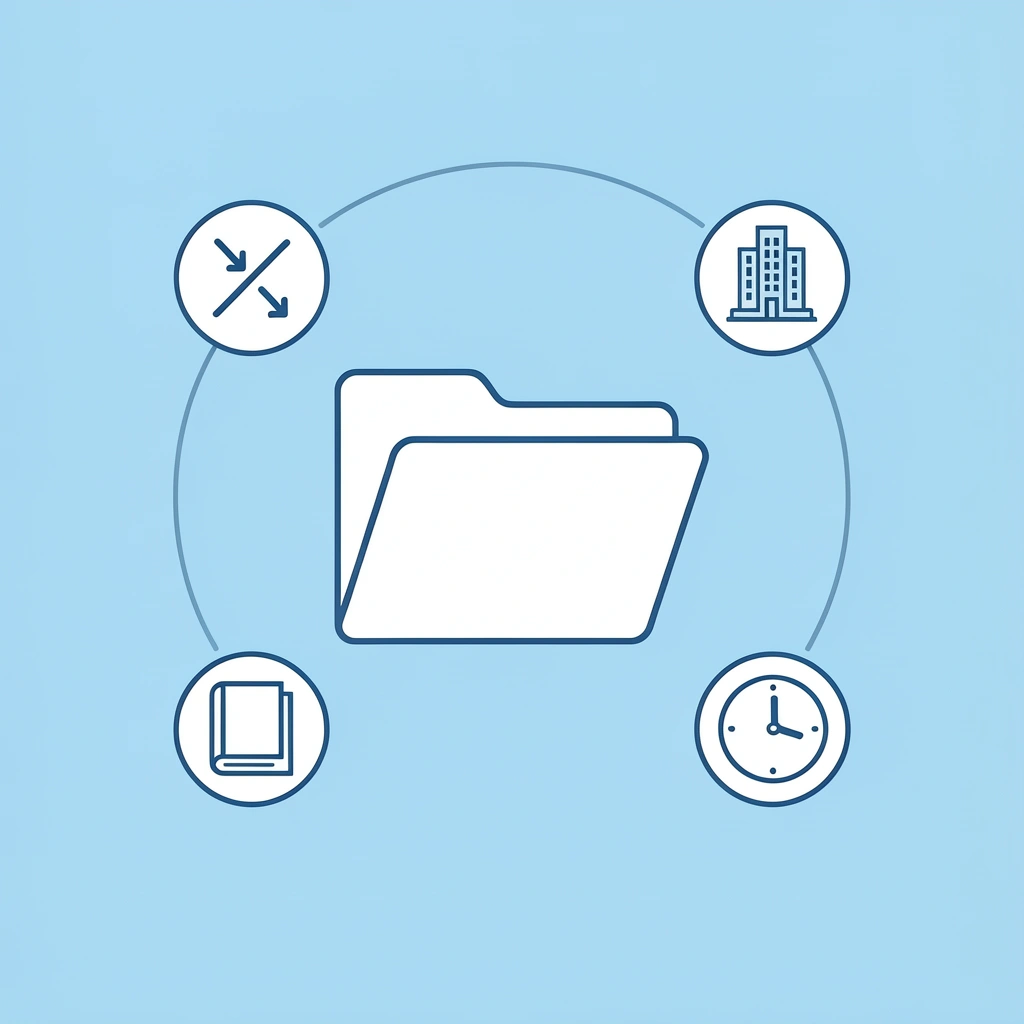
Warning: The dissolution filing is just the beginning of the closure process, not the end. Many LLC owners discover outstanding obligations from the Department of Revenue, Labor & Industries, or other agencies after they thought their business was officially closed.
"Filing Articles of Dissolution with the Secretary of State does not automatically resolve all business obligations or notify other state agencies of the LLC's closure." — Washington State Department of Revenue

Takeaway: Successful LLC dissolution requires coordinated communication with multiple state agencies and careful attention to final tax filings, worker compensation accounts, and business license cancellations to avoid post-closure complications.
What creates the tax disconnect during dissolution?
Filing to dissolve a state business doesn't automatically notify tax agencies. The Washington Department of Revenue, the IRS, and local jurisdictions use separate systems with different closure rules. You can complete a business dissolution with the Secretary of State while remaining active in every tax database, potentially continuing to accrue financial obligations. Our Starcycle Business Closure Toolkit can help streamline this complex process and ensure a comprehensive business wind-down.
Why does the low filing fee mislead business owners?
According to Tailor Brands' Washington LLC dissolution research, the standard filing fee is $20, but this modest cost might mislead business owners into thinking the process is simple. The filing is straightforward, yet the subsequent coordination is complex.
Business owners who pay the fee and submit paperwork often discover, six months later, that their Unified Business Identifier account remains open, generating renewal notices and late penalties because no one explicitly closed it. The Department of Revenue doesn't monitor Secretary of State filings: if you don't tell them directly that you've dissolved, they assume you're operating and assess accordingly.
How do penalties accumulate after a dissolution filing?
This creates a specific pattern: when a business dissolves, operations stop, but tax accounts remain active and continue to build financial obligations. Penalty notices arrive later, after you've moved on, demanding payment for periods when the business earned no revenue.
The penalty isn't for running the business, but for failing to properly inform an independent agency about the dissolution.
What contracts continue after you stop operations?
Auto-renewing agreements don't pause when you stop using them. Software subscriptions, vendor contracts, service agreements, and domain registrations continue billing until you explicitly cancel them. Without a structured review process, these costs can accumulate silently.
Why do founders miss recurring obligations?
Most business owners struggle with tracking recurring financial commitments. Contracts are scattered across email confirmations, online platforms, and financial documents. When business operations slow, there's no centralized location to verify active agreements.
An overlooked software subscription might automatically renew, a domain registration could charge your business credit card, or a vendor agreement might pass its cancellation deadline.
How much do overlooked subscriptions cost?
These forgotten subscriptions, ranging from $50 to $200 each, can add up quickly. The challenge isn't just about money: it's understanding that you're still handling expenses for a business you believed was already shut down. Our Starcycle platform can help you efficiently track and manage these lingering business expenses.
What deadlines continue during LLC dissolution?
Annual reports, final tax returns, and contract cancellation windows remain unchanged during business closure. Deadlines persist, and missing them triggers late fees or forces you to reopen settled accounts.
Why do dissolution timelines often extend beyond expectations?
Business dissolution often takes longer than expected. You might file paperwork in March, thinking you'll complete the process in 30 days, but creditor notifications, tax filing requirements, and document gathering can extend the timeline.
Your annual report could be due in April, and missing it because you assumed dissolution exempts you can lead to late fees for a company you're actively trying to close.
How do business licenses complicate the dissolution process?
Business licenses create similar challenges. Cities and counties issue licenses with different renewal schedules. If your Seattle business license renews in May but you dissolved the company in April without formally closing the license, you'll receive a renewal notice and potential penalties.
The license doesn't automatically end when an LLC is dissolved; it requires submitting a specific closure form to the local government office. Our Starcycle business closure tools can help streamline this process and ensure you complete all necessary documentation.
What happens when dissolution records become scattered?
When records are spread across email accounts, cloud storage, and physical files, confirming completed tasks becomes difficult. You might think you filed the final tax return, but can't find the confirmation. You believe you cancelled a vendor contract, but lack documentation proving you followed their termination procedure.
This uncertainty forces business owners to retrace steps that seem finished. Contact the Department of Revenue to verify account status. Email vendors about contract activity. Search bank statements to identify active subscriptions. Each task consumes time you expected to reclaim during business closure.
How does document chaos affect multiple business managers?
The problem escalates when multiple business managers are involved. One co-founder handled taxes, another managed vendor relationships, and a third dealt with licenses and permits. During the business closure, no single person has complete visibility into what's open, what's closed, or what needs attention. Information remains trapped in individual email inboxes and memories, rather than in a shared system everyone can reference.
Founders using Starcycle report that our centralized action plans eliminate the coordination gap by organizing dissolution tasks, deadlines, and required documents in one place. Instead of piecing together obligations from memory and scattered records, they work from a structured checklist that tracks completed and remaining tasks, significantly reducing the typical wind-down timeline.
What is the continued liability window?
Dissolving your LLC doesn't automatically protect you from legal claims. During the winding-up period, your business remains a legal entity that can still be sued. If you notify creditors correctly under RCW 25.15.295, they have 90 days to file claims. Without proper notification, the claim window extends to three years. Business founders who skip formal creditor notification risk claims that could have been blocked with the right procedure. Our Starcycle business closure workflow can help you navigate these complex legal requirements and minimize potential risks.
What types of unexpected claims can emerge after dissolution?
Unexpected claims might emerge later: a past contractor could send a forgotten invoice, a vendor might claim an unpaid bill, or a customer could argue about product damages from months before the business closed. Without clear creditor notification and proper claim procedures, these disputes can remain legally valid longer than anticipated.
Why doesn't skipping creditor notification invalidate claims?
The law safeguards creditors from companies that attempt to close down to avoid their financial responsibilities. However, business founders can't achieve a clean shutdown without properly following the notification process. Skipping these steps doesn't cancel claims: it removes the time limit that would have eventually blocked them.
What recordkeeping requirements persist after dissolution?
Dissolving your business doesn't eliminate your responsibility to retain important business documents. Washington state law requires you to save specific records for set time periods, even after your LLC is no longer active. This includes financial records, tax returns, member agreements, and creditor notifications. These documents must be retained for future audits, potential disputes, or legal investigations. Our Starcycle business closure tools can help you organize and securely store these critical documents for the required retention period.
Why can destroying records create problems later?
Business owners who eliminate records after filing for dissolution can create significant challenges if questions arise later. The IRS can review tax returns for up to three years, or even longer if it suspects fraud or underreporting. Without keeping clear records to back up final tax returns, you could face financial assessments and penalties even after the business has closed. Our Starcycle business management tools can help you maintain organized financial records throughout your business lifecycle, ensuring smooth record-keeping during closure processes.
How should you handle the ongoing storage burden?
The storage challenge can feel frustrating as you move forward. You've closed the LLC, settled financial obligations, and divided the company's assets. But you still need to keep documents that might be needed later. Skipping this requirement doesn't eliminate the obligation: it means you won't have proof to protect yourself if someone raises a legal challenge.
The Core Steps to Dissolve an LLC in Washington State
Closing an LLC in Washington State requires five key steps that cover leadership decisions, financial responsibilities, legal requirements, and final business shutdown. Each step carefully protects you legally and ensures your business ends completely. Missing any step could leave you with active responsibilities that could lead to legal and financial problems.
Key Point: The dissolution process must be completed in the correct order to avoid ongoing liabilities and ensure complete legal protection for all LLC members.

"Proper LLC dissolution protects members from future liabilities and ensures complete legal separation from the business entity." — Washington State Department of Revenue, 2024

Warning: Failing to complete all five steps can result in continued tax obligations, personal liability exposure, and ongoing compliance requirements even after you think your LLC is closed.
Vote to dissolve
The choice to close down requires official approval before filing paperwork. Your business operating agreement explains the approval process and outlines voting rules, notice requirements, and documentation standards. If the agreement lacks specifics, Washington state law under RCW 25.15.265 provides standard rules, typically requiring member approval based on ownership percentages.
Record the decision to dissolve in writing through a formal resolution or meeting notes, even for single-member businesses. This documentation establishes proper authorization and protects against potential challenges from creditors or tax agencies questioning the dissolution's validity or right to wind down operations.
What happens after filing for dissolution?
Filing for dissolution doesn't end your LLC immediately. It begins the winding-up period, during which the business remains legally active to close outstanding obligations. Notify creditors, vendors, employees, and customers so claims can be addressed within the legal time frame. Our Starcycle business closure tools can help streamline this complex process.
Under RCW 25.15.295, creditors who receive written notice have 90 days to file claims. Those not directly notified can file claims up to three years after dissolution.
How should you prioritize debt settlement and asset distribution?
Settle all outstanding financial commitments during this phase: final invoices, lease terminations, last payroll payments, and resolving vendor agreements before distributing remaining assets.
The legal priority is straightforward: creditors must be paid first, then members can receive distributions or loan repayments. Any remaining assets will be divided in accordance with the ownership percentages, unless the operating agreement specifies otherwise.
What administrative tasks complete the closure process?
Shutting down a business requires thorough administrative steps. Close all business bank accounts after the final transaction process. Cancel subscriptions, credit lines, and service agreements.
Cancel business licenses in every jurisdiction where issued, not just the home state. End registered agent service after all official filings are complete. Each task must be handled separately; skipping any step may result in the obligation continuing to generate fees or renewal notices.
What tax returns must you file when dissolving?
Washington requires a final excise tax return to be filed with the Department of Revenue within 10 days of closing operations. This return covers the period from your last filing through the dissolution date and must be marked as final. Close your Unified Business Identifier account separately, as it does not automatically end with dissolution paperwork.
File your final federal return with the IRS, marking it as the company's last return. Submit final payroll tax returns, unemployment insurance reports, and Paid Family and Medical Leave filings within the 10-day window. These deadlines run concurrently, making the timeline tight and increasing the risk of missing one if you coordinate manually.
How long does tax agency processing take?
Based on Washington Secretary of State processing data, standard dissolution filings are typically processed online within 2-3 business days. However, tax agencies and license bureaus operate on different schedules. The Department of Revenue might take several weeks to confirm account closure, while the IRS handles final returns on its standard timeline, creating a verification delay.
How do you file the certificate of dissolution?
To officially end your LLC's registration in Washington State, submit a Certificate of Dissolution through the Secretary of State's Corporations and Charities Filing System. This document confirms you've completed the winding-up process and are ready to close the business's legal status. Washington charges no filing fee for dissolution, though expedited processing costs extra.
If your LLC was created in another state but registered to do business in Washington, you'll need to file a Statement of Withdrawal. Filing the wrong form can delay processing or cause a rejection, requiring you to start over.
What happens after you submit the dissolution filing?
Online submissions through the state's portal process within 7-10 business days for standard service, with faster 24-hour processing options available.
The filing date indicates when your dissolution becomes legally effective, but it doesn't notify other agencies. You must verify that tax accounts are closed, licenses terminated, and creditor notification periods have ended. The state confirmation letter proves your LLC was dissolved, but doesn't confirm you've completed every related requirement.
Maintain post-dissolution records
Washington state law requires businesses to keep financial records for five years. This helps companies prepare for potential audits, legal questions, or creditor claims. Important documents—financial statements, tax returns, member agreements, contracts, and creditor notifications—should be organized and accessible during this time.
Keeping records remains crucial even after a business closes. The IRS can review tax returns for 3 years after filing, or longer if it finds significant problems. If you destroy records after closing the business, you won't be able to defend your financial positions or prove you followed legal requirements when challenged.
How can you streamline the dissolution coordination process?
Most business owners handle company shutdown coordination using spreadsheets and manual tracking across different agencies. As the checklist grows, tasks can slip through the cracks: you might think you canceled a subscription but can't find the confirmation, or believe you closed a business license but later receive a renewal notice.
Platforms like Starcycle centralize coordination by creating customized action plans that sequence filings, track agency-specific deadlines, and organize documents needed to prove closure. Founders report cutting wind-down timelines from months to weeks by working from a structured checklist.
Why do founders struggle with dissolution execution?
These five stages create a framework that ensures a business dissolves completely, not merely on paper. Carefully completing each step protects you from legal risks, financial penalties, and unresolved business obligations. The state officially recognizes documented completion of every required step, not just good intentions or assumptions.
However, understanding the sequence doesn't explain why many business founders struggle to execute it consistently.
Related Reading
- How To Dissolve An Llc In South Carolina
- How To Dissolve An Llc In Virginia
- How To Dissolve An Llc In Oklahoma
- How To Dissolve An Llc In Minnesota
- How To Dissolve An Llc In South Dakota
- How To Dissolve An Llc In Oregon
- How To Dissolve An Llc In Utah
- How To Dissolve An Llc In Ohio
- How To Dissolve An Llc In Rhode Island
- How To Dissolve An Llc In West Virginia
- How To Dissolve An Llc In Maryland
- How To Dissolve An Llc In North Dakota
- How To Dissolve An Llc In Iowa
- How To Dissolve An Llc In Maine
- How To Dissolve An Llc In Arkansas
- How To Dissolve An Llc In Louisiana
- How To Dissolve An Llc In Hawaii
- How To Dissolve An Llc In Connecticut
- How To Dissolve An Llc In Idaho
- How To Dissolve An Llc In Mississippi
- How To Dissolve An Llc In Montana
- How To Dissolve An Llc In Indiana
- How To Dissolve An Llc In North Carolina
- How To Dissolve An Llc In Vermont
- How To Dissolve An Llc In New Jersey
- How To Dissolve An Llc In Massachusetts
Why Founders Need Structure, Not Just Instructions
Dissolving a business fails when founders view it as information to learn instead of a system to implement. Understanding the requirements does not guarantee resolving obligations, as coordinating steps across different agencies, timelines, and dependencies presents unique challenges.

Key Point: Business dissolution requires systematic execution, not just procedural knowledge.
"The precise sequence and interactions between dissolution steps create subtle coordination challenges that go beyond basic procedural knowledge." — Business Dissolution Analysis, 2024
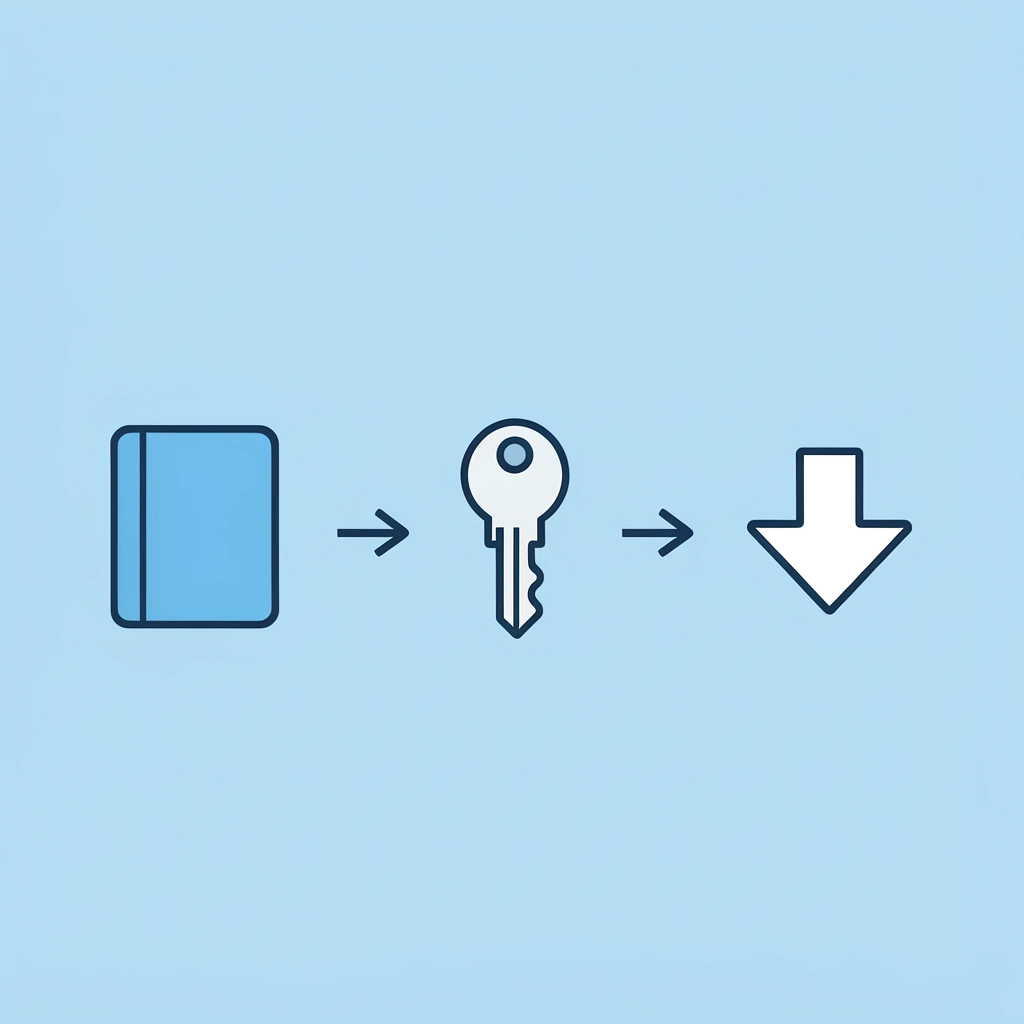
The execution process reveals complex interconnections. While founders understand they must file final tax returns, close business accounts, and terminate business licenses, the precise sequence and interactions among these steps pose subtle coordination challenges that go beyond basic procedural knowledge.
Warning: Knowing what to do doesn't solve the 'how' and 'when' of business dissolution coordination.

Why does stress make LLC dissolution coordination so difficult?
According to Founders Forum Group, 70% of startups fail between years 2-5, which means most founders who close their businesses are managing the emotional weight of closure, financial pressure, and complex transitions. This context makes coordinating across multiple agencies not only difficult but nearly impossible without external support.
Stress exacerbates the problem. While working on your end, you're reviewing state statutes, tracking agency forms, and managing contract terminations. Mental energy wanes as administrative tasks multiply.
What happens when small details slip through the cracks?
Small details can slip through the cracks: a subscription renews without warning, a license creates late fees, or a tax penalty arrives from missed filing deadlines. Manual tracking works well for two or three obligations with flexible timelines.
However, closing a business requires coordinating state filings, federal and state tax closures, creditor notifications, contract cancellations, and license terminations across interconnected schedules. As obligations increase, personal tracking systems will break down, causing a loss of visibility into completed, pending, and unaddressed tasks.
When memory becomes liability
The failure mode isn't dramatic. It's subtle. You think you closed your business license, but can't find the confirmation. You believe you submitted final payroll taxes, but the filing doesn't appear in your account history. You're 80% sure you cancelled that software subscription, but a charge appears three months later. Each gap forces you to retrace steps, contact agencies for verification, or pay for obligations you thought were resolved. Our Starcycle platform helps businesses streamline these closure processes, ensuring clean, verifiable business wind-downs with minimal administrative overhead.
How does uncertainty extend the closure process?
This uncertainty creates an endless sense of closure. You can't confidently say you're done because you can't prove every detail is resolved. The mental stress persists as nothing feels complete. You're stuck waiting, anticipating a potential penalty notice that might confirm something was overlooked.
What solutions help eliminate coordination burden?
Founders using platforms like Starcycle report that centralized action plans remove coordination challenges. By organizing business closure tasks, deadlines, and required documents in one system, they work from a structured checklist that tracks completion status and sequences filings. The wind-down timeline shortens because nothing gets overlooked or delayed by confusion.
What structure actually provides
Structure isn't about making things easier to break down. It's about creating a dependable process when you're least able to handle complex tasks. Three key elements make the difference:
How does a state-specific action plan ensure proper sequencing?
A state-specific action plan that focuses on Washington's unique requirements, not general dissolution advice. Filing for dissolution demands careful sequencing: notify creditors before completing final transactions and close bank accounts strategically. The structure maps out dependencies to ensure each step occurs in the correct order.
Why does centralized tracking matter for dissolution completion?
Centralized tracking brings together deadlines, confirmations, and documents from different agencies. With this system, you can see what has been filed, what is pending, and what requires your attention, without searching through email or rebuilding complex timelines. This approach makes project completion verifiable, not merely assumed.
How do clear next actions reduce decision fatigue?
Clear next actions eliminate decision fatigue. You don't have to evaluate what to do next. Simply execute the next item in a sequence designed to systematically close every obligation. The mental effort shifts from figuring out the process to following one that's already mapped.
Instructions explain how to dissolve something. Structure ensures completion. The difference isn't just about words: it's the gap between knowing you need to close your UBI account and doing it before penalties arrive.
But structure alone doesn't address the deeper question most founders avoid until penalties are imminent.
How Founders Close Cleanly in Washington State and Move Forward with Confidence
Clean closure means checking that every obligation is fully resolved, not assuming it's done. Founders who move forward carefully confirm termination by creating detailed documentation that proves each agency, creditor, and contract received proper notice. Confidence comes from showing complete closure, ensuring nothing can unexpectedly resurface.

Key Point: Documentation is your strongest defense against future claims. Keep copies of all termination notices, final payments, and agency confirmations in a secure file for at least 7 years.
"Proper business closure documentation can prevent 90% of post-dissolution legal issues that typically arise within the first 2 years after termination." — Washington State Business Law Review, 2023

Warning: Never assume that silence means acceptance. Always follow up with written confirmation from each party to ensure your termination notices were received and processed correctly.
Verification replaces assumption
The difference between thinking you closed something and proving it was closed becomes painfully clear when a penalty notice arrives 14 months after dissolving a business. You remember submitting the final excise tax return, but the Department of Revenue has no record of receiving it. You're certain you canceled a vendor contract, but they show documentation proving you missed the 60-day written notice requirement, with charges continuing for three billing cycles after operations stopped. Our Starcycle business closure tracking system helps entrepreneurs avoid these costly documentation gaps and ensures clean, verifiable business wind-downs.
How do you create an effective audit trail?
Verification means collecting confirmation for every closure action. When closing your UBI account, save the closure confirmation email and note the date. When terminating business licenses, document the submission and any acknowledgment from the issuing jurisdiction. When notifying creditors under RCW 25.15.295, retain proof of mailing or delivery to ensure the 90-day claim window is legally enforceable. This creates an audit trail that answers questions before they become disputes.
Most founders skip this step because it feels redundant. You filed the form. You sent the email. But agencies process thousands of submissions monthly, and errors happen. Forms get misdirected. Emails land in spam filters. Submissions fail to upload completely. Without confirmation, you can't determine if you completed the task or if the system received and processed it.
What happens when you trust submission equals completion?
The typical approach is assuming that submitting paperwork means it's completed. You submit your Certificate of Dissolution to the Secretary of State and believe it was processed correctly. Three weeks later, you check your filing status and discover it was rejected due to an overdue annual report you didn't know about. Now you're restarting the process, paying late fees, and extending the wind-down timeline because you didn't verify the filing was successful.
Platforms like Starcycle address this by tracking the confirmation status of each dissolution task and flagging unverified items that exceed expected processing times. Founders report catching filing errors and agency processing delays weeks earlier than through manual checking, compressing total wind-down time by addressing problems while they're still fixable.
Why does asset distribution require written documentation?
When remaining assets are distributed to members after debts are settled, the allocation must comply with your operating agreement or with Washington's statutory defaults under RCW 25.15.270. Verbal agreements about asset distribution can create conflict when memories differ later.
Written distribution records signed by all members establish what happened and help prevent disputes over distribution fairness and authorization.
How does proper documentation protect all parties involved?
This documentation safeguards all parties involved. If a creditor appears during the three-year claim period, your records will prove that assets were distributed after settling known financial obligations.
If a co-member argues they received less than their agreed ownership percentage, the signed distribution agreement serves as clear evidence of the agreed ownership percentage. Without this paper trail, the business dissolution could become an unresolvable dispute with no objective record.
What happens when founders treat distribution too casually?
The mistake occurs when startup founders handle distribution carelessly, believing everyone agrees with core principles. Two years later, a past team member might challenge how a specific asset was valued.
Without clear documentation of valuation and official approval, the disagreement may persist indefinitely.
What are the psychological effects of incomplete LLC closure
Founders often worry about missing important details. Every unexpected email triggers a stress spike, making them wonder: Is this a renewal notice, a penalty for an unsubmitted filing, or a potential creditor claim?
Carney Badley Spellman notes that Washington's 7% capital gains tax on amounts above $250,000 adds financial pressure for founders managing asset liquidation during dissolution, increasing the process's complexity.
How does uncertainty impact your ability to move forward
This uncertainty persists without closure when proof remains unclear. You can't confidently say you're finished unless you can verify that every detail is resolved. The mental stress lingers like background noise, preventing full focus on what comes next.
Clean closure removes anxiety by making completion easy to confirm. A confirmation email proves your UBI account is closed. A complete spreadsheet tracks contract terminations. Documented proof shows that creditor claim windows have expired.
What moving forward actually requires
The transition from a closed business to the next chapter occurs when no outstanding obligations remain: no renewals, compliance issues, unresolved relationships, or pending questions about past handling.
This requires more than filing dissolution paperwork. It demands systematically closing every administrative thread so the business stays definitively closed. Founders who achieve this describe a profound relief: not from submitting a form, but from knowing the closure is comprehensive and demonstrable.
Why does comprehensive closure matter so much?
This demonstration is important from legal and emotional perspectives. Legally, it helps protect you from potential liability by showing proper procedures were followed. Emotionally, it allows you to stop dwelling on past events and focus completely on the future, as what happened before is now conclusively resolved.
But one step makes this transition easier than most founders expect.
Sign up to Make your Business Closure Process Easier
Dissolving your Washington State LLC cleanly means following every required step in the correct order while tracking confirmation from the relevant agencies. Sign up with StarCycle to get a quote and simplify your business closure starting at $399, with no hidden fees.

Tip: The difference between a clean dissolution and one that resurfaces with penalties comes down to systematic execution. You need visibility into completed and pending tasks, confirmation that each agency has processed your filings, and an order that respects critical dependencies, such as clearing final transactions before closing bank accounts.
Takeaway: Most importantly, you need to compress the wind-down timeline so you can move forward without carrying unfinished obligations that could follow you for years. The right systematic approach ensures your LLC dissolution stays buried and doesn't resurface with unexpected penalties or compliance issues.

Related Reading
- How To Dissolve A Corporation In Texas
- How To Dissolve Llc In Nebraska
- How To Dissolve A Corporation In California
- How To Dissolve An Llc In Wyoming
- How To Dissolve An Llc In New Mexico
- How To Dissolve A Corporation In Delaware
- How To Dissolve A Business
- How To Dissolve An Llc In Alabama
- How To Dissolve A Corporation In North Carolina
- How To Dissolve A Corporation In Oregon
- How To Dissolve A Corporation In Nevada
- How To Dissolve A Corporation In Louisiana
- How To Dissolve An Llc In New Hampshire